


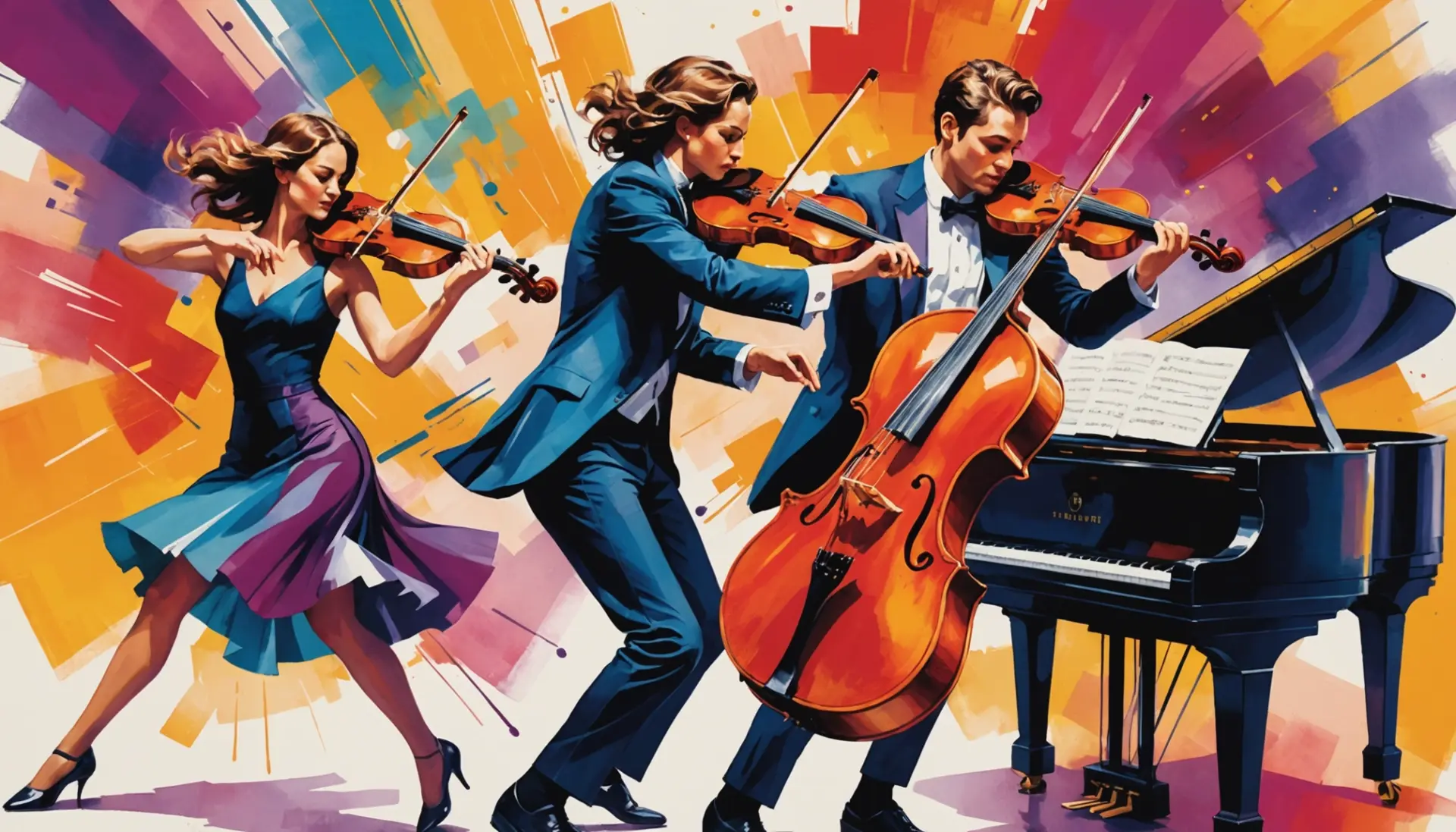

what does allegro mean? If you asked me that over coffee, I would say: it usually means fast and lively, a musical direction composers use to tell musicians to pick up the pace.
Table of Contents
What Does Allegro Mean: Musical Definition
In classical music, allegro is an Italian tempo marking telling performers to play at a quick, lively speed. The word comes from Italian, literally meaning “cheerful” or “brisk,” and it shows up in scores from Mozart to modern film composers.
Composers often pair allegro with qualifiers, like allegro con brio, which means lively with spirit. It is one of those words that popped straight out of the common Italian musical vocabulary in the 17th and 18th centuries and stuck around because it works.
Tempo Range and Variations
What does allegro mean in tempo numbers? Roughly, allegro sits between about 120 and 168 beats per minute, though performers and traditions vary. Metronome markings tightened up this range in the 19th century, but context still matters: a Baroque allegro will feel different from a Romantic allegro.
There are related terms like presto, which is faster, and moderato, which is slower. And then you have compound directions such as allegretto, slightly slower than allegro but not as slow as moderato. Look at how conductors treat an allegro and you will see micro-decisions that change the energy.
What Does Allegro Mean in Conversation and Slang
Okay so outside the concert hall, people sometimes use allegro as a fancy way to say upbeat or fast-paced. You might spot it in dance class notes, in music production chats, or as a playful caption on Instagram: “Feeling allegro today.”
It is not a street slang term like rizz or delulu, but it gets adopted by niche communities who like classical lingo. Think music teachers, conservatory students, and certain meme circles on TikTok that remix classical pieces for modern beats.
How to Pronounce and Use It
Pronunciation is straightforward, Italian-style: ah-LEH-groh, with the stress on the second syllable. Say it with a little lift on the middle syllable and you sound like you know what you’re doing in rehearsal.
In sheet music you will see allegro at the top of a movement or at the start of a section. A performer reads it and adjusts phrasing, articulation, and energy. It’s not just speed, it’s attitude.
Real Examples and Dialogue
Here are authentic ways people use the phrase in conversation. These are real-feeling lines I hear in practice rooms, on lesson notes, and in music student group chats.
“The first movement is marked allegro, so don’t drag the left hand during the run.”
“Can you play the chorus allegro? I want it to hit harder for the TikTok cut.”
“Honestly I’m feeling allegro today, lots of energy for errands and espresso.”
Those examples show different contexts: the rehearsal note, the producer-level tweak, and a casual caption. All use allegro to signal speed and a bright mood.
Further Reading
If you want a technical take on tempo markings and historical usage, check out the tempo section on Wikipedia and a dictionary entry for allegro. They’re solid starting points if you want deeper background.
More classical reading: Wikipedia: Tempo, Common indications and Merriam-Webster: Allegro. For a cultural spin on how classical terms migrate into pop and memes, search TikTok threads where producers tag edits with allegro or allegretto.
Also see related slang explanations on SlangSphere if you like seeing how words get socialized: rizz slang meaning and delulu. They aren’t the same vibe, but the way niche words spread is similar.
Quick takeaway
So, what does allegro mean? Fast, lively, and cheerful when you read it in music. When people borrow it in chat or captions, they usually mean energetic or upbeat, often with a wink toward classical drama.
Next time you see allegro on a score, you’ll hear it in your head: quick, bright, and ready to move. Play it like you mean it.