


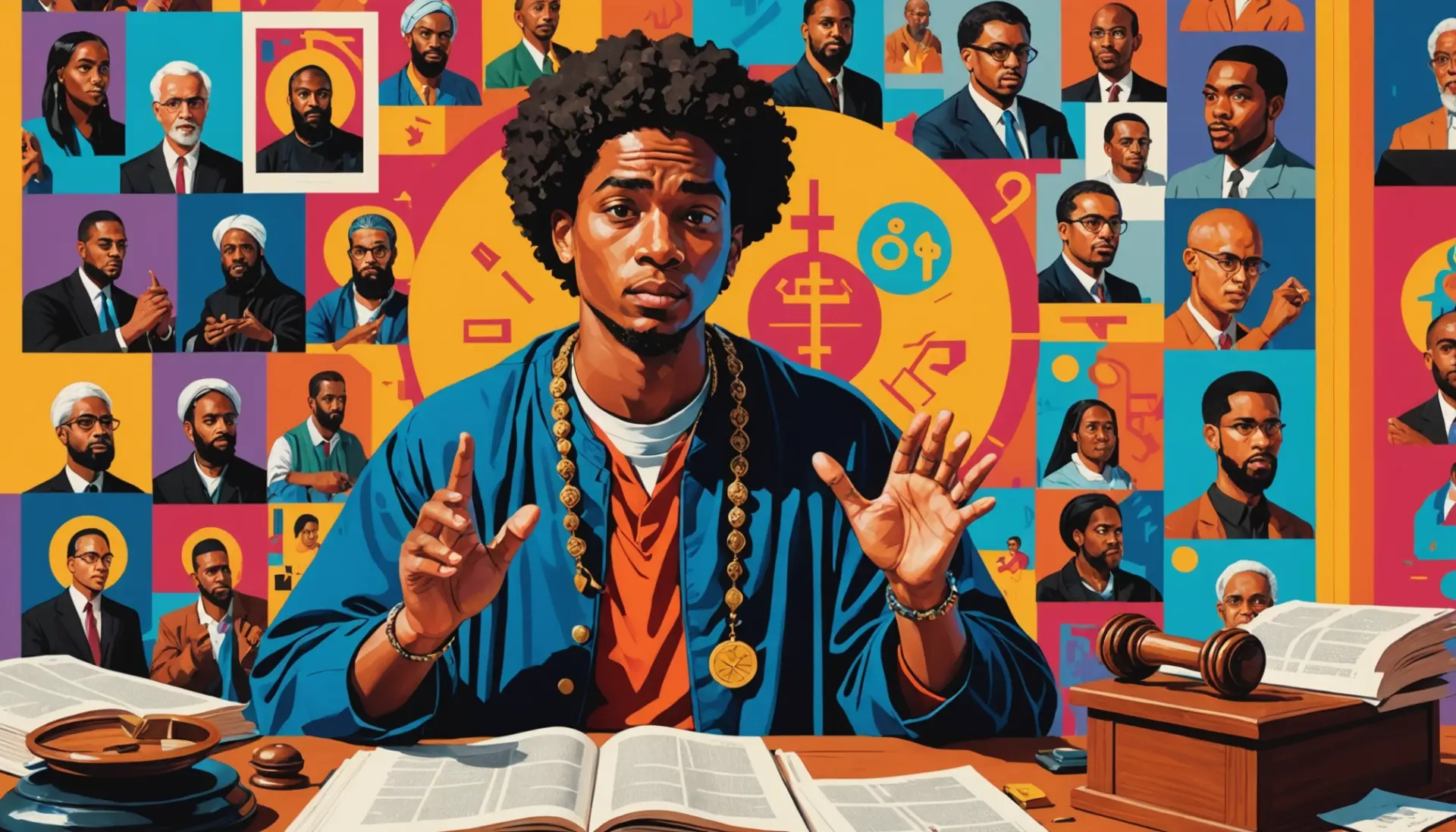

Intro: quick question
what does blasphemy mean, honestly: people toss the word around at concerts, in group chats, and on Twitter like it is casual slang. But there is an actual weight to it, a legal and religious history, and a modern meme life that surprises a lot of people.
If you want the short version, blasphemy can be an insult, a crime in some countries, a dramatic reaction to bad takes, and a memeable exclamation. This guide is for curious humans, not judges or theologians. Okay so, let us get into it.
Table of Contents
What Does Blasphemy Mean: History and Definition
The phrase what does blasphemy mean points to a word that originally described words or acts showing contempt for sacred things. Early English usage leaned religious. People used it to label speech or behavior that insulted God, sacred texts, or holy rituals.
Over centuries, governments and religious authorities sometimes treated blasphemy as punishable. For a concise modern definition see Merriam-Webster or the historical overview on Wikipedia. Those links do the academic heavy lifting, while this post stays conversational, ngl.
What Does Blasphemy Mean in Modern Slang and Meme Culture
So how does what does blasphemy mean translate when someone on TikTok calls a take “blasphemy”? Mostly it is hyperbole, a spicy way to say something is offensive to taste or tradition, not literal sacrilege. Like when someone says “Pineapple on pizza is blasphemy,” they do not mean jail time. They mean emotional betrayal.
Memes upgraded the word. People use blasphemy to mock, to exaggerate, and to signal that a sacred preference has been violated. It is performative outrage, or theatrical disappointment. Sometimes it makes a joke funnier. Sometimes it reads as petty. Context matters.
Real Conversation Examples
Here are real-feeling ways people say what does blasphemy mean in conversation. These are not contrived. These are things people actually text or tweet.
Friend 1: “He said Friends is better than The Office.”
Friend 2: “That’s blasphemy. Block him.”
Text to sibling: “You like cold fries?”
Sibling: “Cold fries are blasphemy, die.”
On Twitter: “If you take soy milk in my latte, that is blasphemy.”
See the pattern? It is dramatic, comedic, and rarely literal. People weaponize the phrase for emphasis, the way someone might use “savage” or “unhinged.” Sometimes they use it to clown on a take that violates a small, sacred code among friends.
Legal and Social Stakes: When Blasphemy Is Serious
Now to be clear, not every usage is joking. In a number of countries, blasphemy is still a criminal offense. There are real prosecutions and social punishments where religion and law are tightly linked. That heavy context can make casual uses feel insensitive, depending on who you are talking to.
If you want to read up on how governments treat blasphemy historically, Wikipedia covers some of those cases. Also, if you want the dictionary nuance, Merriam-Webster lays out the linguistic meaning and usage notes. These are good checkpoints.
Wrap: what does blasphemy mean for you?
So, what does blasphemy mean now? It means a few layered things: a historic religious offense, a legal category in some places, and a modern slangy clapback people use when aesthetic or cultural rules are violated. Use it casually among friends if you know they get the joke. Avoid it in mixed settings where people might take it literally.
Rhetorical question: should a word with serious history become a meme? People will disagree. Personally, I think language does what people need: it softens, sharpens, and gets repurposed. Blasphemy went from solemn to snarky. That tells you something about how culture recycles heavy words until they are light again.
Further reading and quick resources
- Definition and usage notes at Merriam-Webster.
- Historical and international legal context on Wikipedia.
- For the meme lens, search specific instances on Know Your Meme, which tracks how words get memed.
Want related slang? See how other words travel from serious to silly on SlangSphere: rizz slang meaning, delulu, or salty slang meaning. Those pages show the same cultural remix at work.
Final note: language has weight and history. Saying “blasphemy” to mock a pizza topping is funny to some and tone-deaf to others. Be mindful, but also enjoy the language. Words have lives, and this one has a wild resume.