


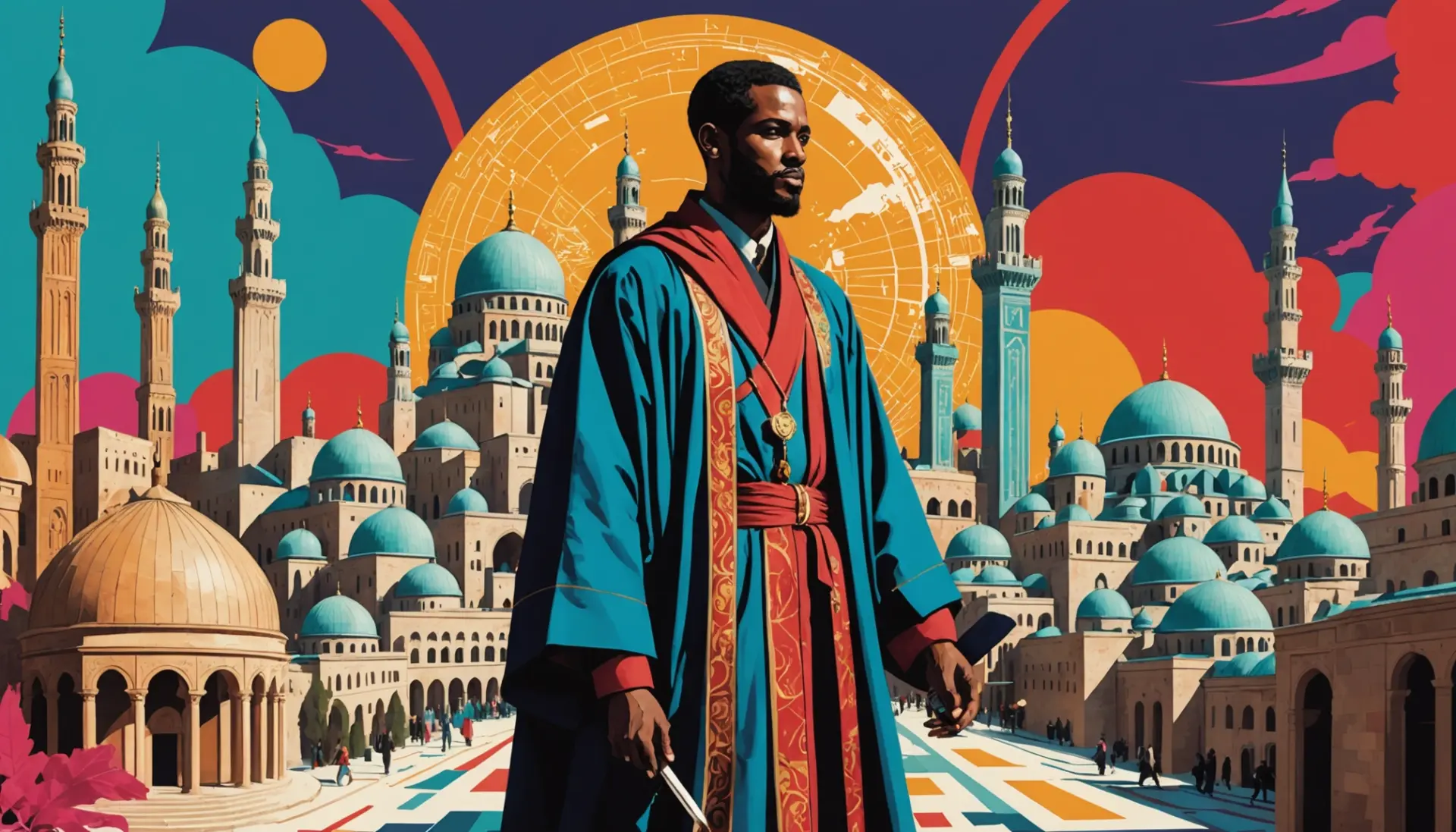

What Does Caliph Mean? A Quick Heads-Up
what does caliph mean is the question people end up typing into search bars when they see the word in a history lecture, a news headline, or a Twitter thread that went off the rails. Honestly, the term carries weight, centuries of history, and a lot of modern misunderstanding. I want to clear that up without making it boring. Like, actually useful for conversation and not just textbook definitions.
Table of Contents
What Does Caliph Mean? Origin and Definition
The short answer to what does caliph mean is: a caliph is a religious and political leader in Sunni Islam, historically seen as the successor to the Prophet Muhammad. The title comes from the Arabic khalīfa, which literally means successor or steward. In early Islamic history the caliph was both a temporal ruler and a symbol of unity for the Muslim community, though actual power varied a lot depending on time and place.
To nerd out for a second: scholars trace the word and the institution to the first few centuries after the Prophet died. If you want a compact, reliable overview, see the main encyclopedia entry on the topic on Wikipedia, or a more academic take at Encyclopaedia Britannica.
Historical Role and Variations
The title caliph did not mean the same thing every century. Early caliphs, like those from the Rashidun period, were close companions of Muhammad and functioned as community leaders. Later, dynasties such as the Umayyads and Abbasids used the title to legitimize political rule over huge territories, sometimes sharing religious authority and sometimes more symbolic authority.
Various groups adjusted the idea to their needs. The Ottoman sultans adopted the caliphate role in certain contexts, though Ottoman practice mixed political power and religious language in ways that looked different from the early models. If you want a short dictionary definition, Merriam-Webster gives a clear one: caliph at Merriam-Webster.
What Does Caliph Mean in Modern Slang and Online Use?
When people ask what does caliph mean online, they are often reacting to headlines about politics or to memes that misuse the term. On social platforms, the word sometimes gets weaponized by trolls or misapplied by people who only vaguely know Islamic history. That feeds confusion and meme culture, where a loaded historical term turns into a punchline or a dramatic label.
For example, during certain geopolitical events, social media users might call a leader “the caliph” either sarcastically or as a slur, which is different from the historical office. Know Your Meme has entries on viral misuses of religious and political terms when they become part of meme storms Know Your Meme. The mismatch between historical meaning and online usage is a classic internet thing: dramatic label, minimal context.
Examples of How People Use the Word Today
Real talk: here are some conversational examples you might encounter. People use the word casually, sometimes correctly, and sometimes not at all. Read them out loud, imagine someone at a party saying them.
Friend 1: “Did you see that documentary about the Abbasids? The caliph was basically the CEO of the empire.”
Friend 2: “Wait, caliph? Is that the same as a sultan?”
On Twitter: “Politician X acts like he wants to be caliph, full authoritarian energy.”
In the first example, the speaker uses caliph to mean a chief ruler, which is contextually accurate. In the second, the term is used more as a quick jab, and that is where nuance gets lost. People often conflate caliph with various kinds of Muslim rulers, which is not always precise.
Why the Word Can Be Sensitive
Part of the reason people ask what does caliph mean is that the word is not just historical vocabulary, it is tied to religious identity. For many Muslims, the caliphate is a serious concept connected to faith, law, and community. Tossing the term around as a memey insult can feel disrespectful or inflammatory.
Also, extremist groups have tried to brand themselves using the language of caliphates. That makes public discourse tricky. If you’re talking about modern politics, be specific: name the folks, the institutions, the actions. Avoid lazy labels. That prevents the word from being used as a rhetorical bludgeon.
Related Terms and Quick Tips
If you’re trying to sound informed without being performative, a few quick comparisons help. A sultan was often a political ruler who might not claim the religious succession element. A caliph claimed succession, at least symbolically. An emir is typically a commander or prince, sometimes subordinate to a caliph, sometimes independent.
Want quick tips for usage? Say “caliph” when you mean the historical or doctrinal role. Say “ruler” or “leader” when you’re describing modern political control. If you are unsure, add a clarifier, like “claimed caliph” or “self-styled caliph,” instead of casually using the word as an insult.
Wrapping Up: Why Knowing the Term Matters
So, what does caliph mean in the most useful way for conversations today? It is a title for a successor leader rooted in Islamic history, often combining religious and political authority, with meanings that shifted over centuries. Knowing that saves you from sounding like someone who skimmed a Wikipedia summary and then tweeted a hot take.
If you want to read more about related words on SlangSphere, check out our pieces on sultan slang meaning and caliphate slang meaning. For a related historical term, see our take on amir slang meaning. Learn the nuance, use the word carefully, and you will sound smarter and kinder in conversations about history and religion.