

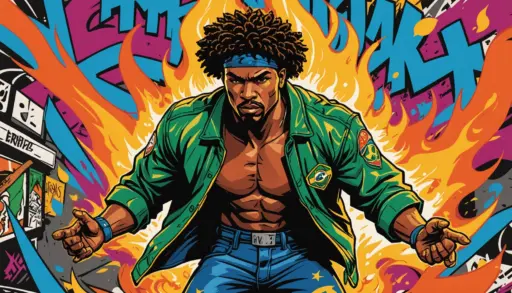
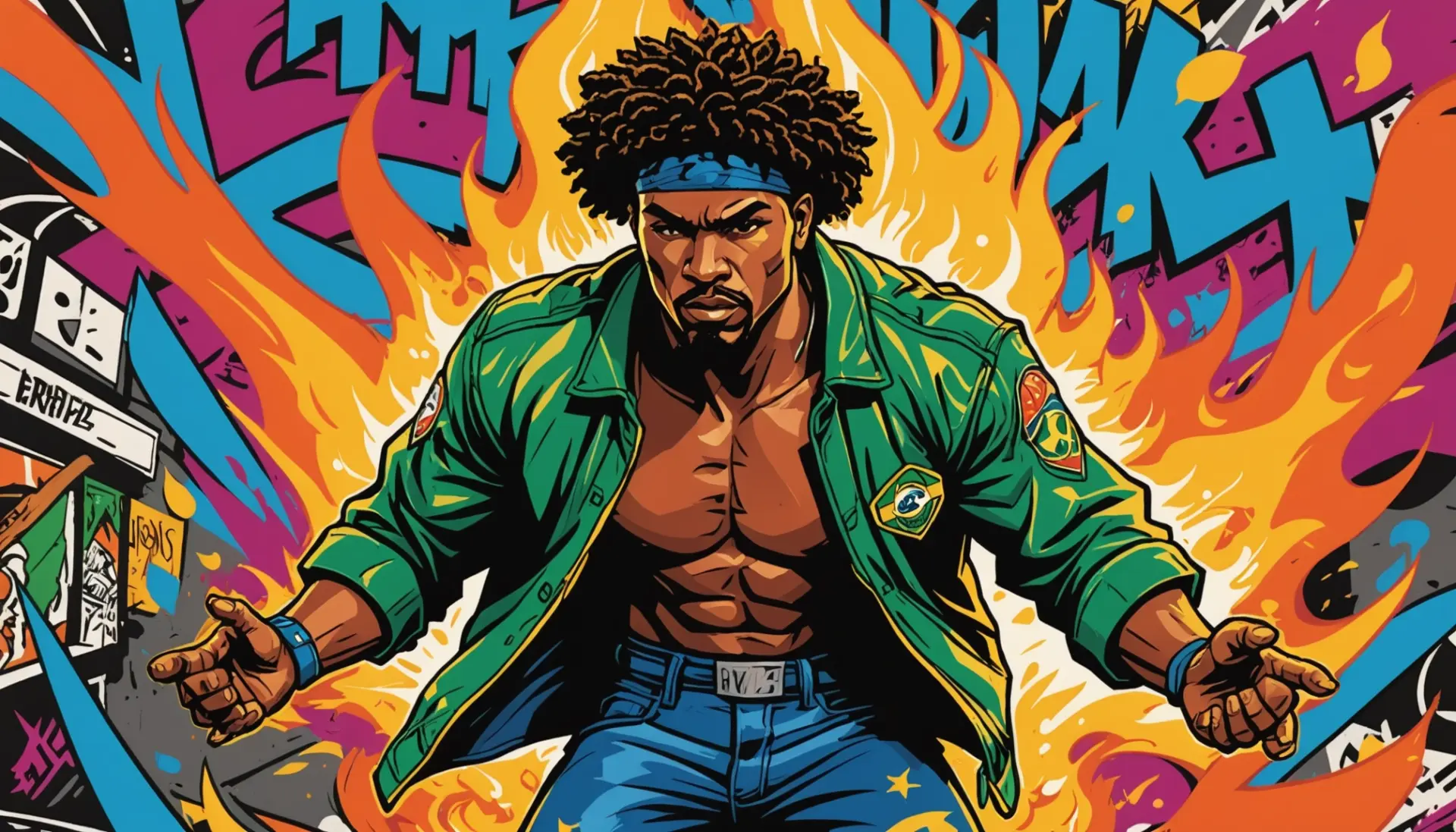

what does chama mean alex pereira? Quick answer and why it matters
what does chama mean alex pereira? Fans have been asking that after hearing the Brazilian striker toss the word around in interviews and social posts, and honestly, it has a few different vibes depending on who is saying it.
If you saw people in the comments typing “chama” after Pereira’s knockout, they might have been hyping the moment, calling someone out, or just using a cool Portuguese word that also looks and sounds lit in English. Context is everything.
Table of Contents
what does chama mean alex pereira: literal meanings
At its base, “chama” in Portuguese primarily means “flame”. Say it with a little Brazilian accent and it sounds fiery, which is part of the appeal when athletes use it. You can look up the literal entry in Portuguese dictionaries like Priberam or the quick lexical note on Wiktionary.
Grammatically, “chama” is also a conjugated form of the verb “chamar”, meaning “to call”. For example, “ele chama” means “he calls”. And then there is the imperative or colloquial usage where someone might say “chama aqui” to mean “call over here” or “bring them here”.
what does chama mean alex pereira: slang and fighter talk
Now, when people associate the word with Alex Pereira specifically, they usually mean one of three things: heat, a call-out, or a casual “come at me” energy. Pereira is Brazilian, fighters trade short, punchy words that read well on social and look great in memes. “Chama” fits that bill nicely.
In trash talk, a fighter might use “chama” like “bring it” or “call him out”. In hype contexts, fans say “Que chama!” like “That was fire!” So when you see “chama” in fight threads, think flame, hype, or challenge depending on tone and punctuation.
Real examples and how people use “chama”
Here are realistic examples of how people use the term. Say them out loud to hear the difference in tone.
-
Fan hyping a knockout: “Man, that KO was chama. Pure fire.”
-
Call-out tone: “Chama ele pra luta, vamos ver quem é que manda.” Translation: “Call him to fight, let’s see who runs things.”
-
Casual invite: “Chama aqui amanhã e a gente resolve.” Translation: “Call me tomorrow and we’ll sort it out.”
-
Venezuelan/Caribbean variant: Side note, if you hear “chama” in Venezuelan Spanish it often means a girl. That is a different etymology and not related to Pereira, who is Portuguese-speaking.
Why “chama” stuck with Alex Pereira and the fight crowd
Look, fighters love short, brandable words. Conor McGregor had “Notorious”, Khabib used quiet confidence. Pereira saying or being linked to “chama” gives fans a neat little motif to repeat. It’s short, visual, and versatile: hype, insult, or tagline.
Social media eats that up. A single-syllable or two-syllable word that reads well in captions and looks punchy on memes will trend fast. If you want proof of how language spreads in fight culture, check Alex Pereira’s career notes on his Wikipedia page, and you’ll see how public moments seed slang.
Quick FAQ and final tips
Q: Is “chama” an insult? A: Not inherently. It depends on tone. In a challenge it can be aggressive; in a hype comment it’s positive. Context again. NgL, tone is everything in short words.
Q: Should non-Portuguese speakers use it? A: You can, but use it sparingly and pay attention to local meaning. In Brazil, people will get the nuance. In Venezuela, it could be awkward if you mean “flame” but they hear “girl.”
Q: Is this a meme? A: It can be. If a highlight reel or clip of Pereira goes viral with the caption “chama”, that propels the word into meme territory. For cultural mapping of how memes form, Know Your Meme and other trackers are useful when a slang term actually takes off.
Parting thought
If you hear fans typing “chama” after Alex Pereira lands a clean shot, think “fire” and “call-out” energy. Use it like an exclamation when you want to hype something, or like a challenge when you are trying to provoke. It’s short, versatile, and properly Brazilian-sounding in the best way.
Want more slang like this? Check similar vibe terms on SlangSphere: rizz and delulu. Keep an ear on fighters’ post-fight interviews; one quick word and a new slang trend is born.
Examples to copy: “Chama aqui, parceiro.” “Que chama esse golpe.” “Chama ele, vamos resolver.” Try them in context and you’ll feel the difference.