


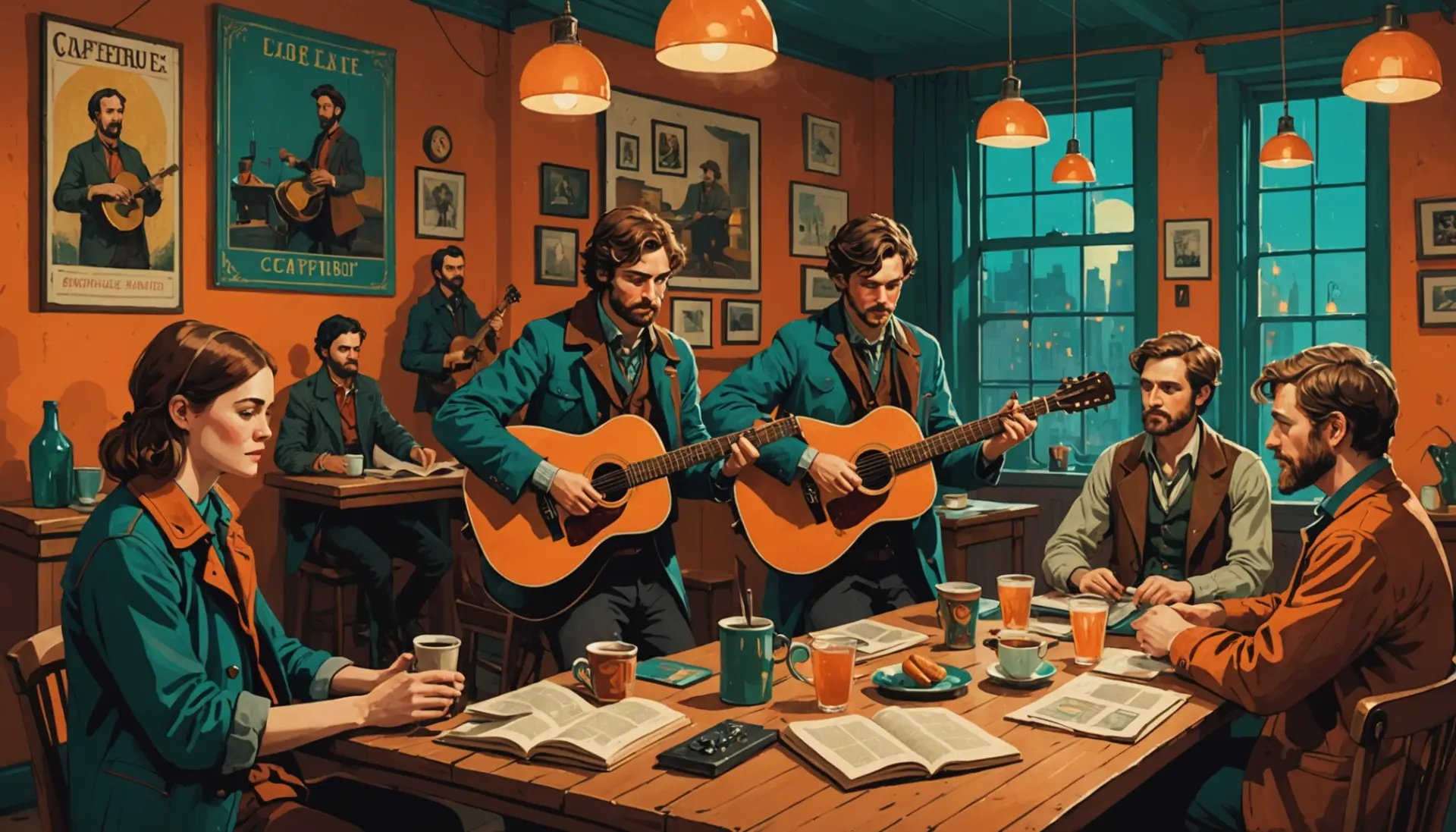

what does decemberists mean is a question I get a lot when friends overhear my music playlists or scroll past a vintage band tee. The phrase pops up because Decemberists is both a band name and a reference to a real historical group, so people confuse it, use it flippantly, or turn it into slang when they want something to sound literary or dramatic.
Table of Contents
What Does Decemberists Mean: Origin
Okay so, the short version: Decemberists is the name of an American indie rock band from Portland, Oregon, formed in the early 2000s. The band took their name as a nod to the Decembrist revolt, a 19th century Russian uprising that happened in December, which you can read about on Wikipedia.
Colin Meloy, the band’s frontman, has said the name felt suitably theatrical and historical, which fits their penchant for storytelling songs. If you want the band bio, see the Decemberists Wikipedia page, which lays out their albums, influences, and that very theatrical bent.
What Does Decemberists Mean: Usage Today
So what does decemberists mean in conversation, beyond being a band label? People use it three ways, mainly: literal, referential, and tongue-in-cheek. Literal means someone is talking about the band. Referential means someone is referencing the historical Decembrists or the vibe that the band name implies. Tongue-in-cheek is when folks use “Decemberists” to sound dramatic, poetic, or old-timey, like calling a melancholic playlist “very Decemberists mood.”
Ngl, the last one is the most fun. You’ll hear someone say, “This rainy afternoon is so Decemberists,” and they mean something like theatrical, folky, and slightly tragic in a cute way. It’s not formal slang, more like a cultural shorthand that leans on the band’s aesthetic.
Examples: How People Use the Term in Conversation
Real examples matter, so here are a few lines I’ve actually heard or seen online. They show how flexible the phrase is and how people fold it into casual speech.
-
Friend 1: “Who are those guys playing?”
Friend 2: “Oh, that’s the Decemberists. Very literary indie folk.” -
Text chat:
A: “I put on string instruments and dramatic lyrics, don’t judge.”
B: “Bro, full Decemberists energy.” -
On Tumblr or X: “Wearing my thrifted blazer and reading Pushkin, feeling very Decemberists today.”
See how in the last two examples the phrase gets used like an adjective. People riff on it, which is how language evolves. Also, sometimes folks genuinely ask, “what does decemberists mean?” because they think it’s an old-school political label, not a band name. That’s understandable, since it riffs on historical events.
Why It Matters, and the Culture Around It
Why should you care what does decemberists mean? Because it’s a small example of how niche cultural references migrate into casual speech. A band name inspired by a historical event becomes shorthand for a mood, and that mood slides into captions, playlists, and memes.
Also, it shows how people mishear or remix words into slang. The historical crowd would write “Decembrists” when talking about the Russian rebels, which makes the band’s version feel like a playful modernization. For the curious, this blend of history and indie music is why culture nerds stay online. If you want more on how band names borrow from history, the Britannica article on the Decembrist revolt gives solid context.
Inside fan spaces, calling something “Decemberists” can be affectionate. It signals you know the band and the vibe, which can be a social shortcut in certain circles: indie kids, vinyl collectors, cosplay folks who love Victorian aesthetics, and literature nerds.
Is it slang or just a fandom tag?
Short answer: a little of both. The band name is not conventional slang like “rizz” or “cap,” but it functions like insider shorthand when people borrow it as an adjective. If you want a proper slang comparison, check out related entries on SlangSphere, like rizz meaning and delulu meaning. Those pages break down how fandom vocabulary migrates into everyday chat.
“I threw on The Crane Wife and now my room is 100% Decemberists.” — typical caption that shows how people use the term as a mood tag.
That caption is real-sounding because The Crane Wife is one of their most memeable albums, with dramatic storytelling that invites people to aestheticize their feelings. A lot of how people use “Decemberists” comes from that album’s theatrical vibe.
When people actually mean the historical Decembrists
Sometimes people do mean the 1825 Russian Decembrists, a group of army officers who objected to the new tsar and staged an uprising in St. Petersburg. If someone asks what does decemberists mean and they’re in a history class, they probably want that context. You can read more about the original uprising on this Wikipedia article.
So context is everything. If your roommate is wearing a sash and quoting Pushkin, they might be referencing the historical event. If they’re wearing a cardigan and carrying a tote full of zines, they’re probably referencing the band or the vibe.
Closing Thoughts
To wrap up, when people ask what does decemberists mean, they could be asking about a band, a historical event, or a mood that feels literary and folky. It’s a neat little cultural knot where music, history, and internet aesthetics meet. Use it in captions if you want points for drama. Use it in a history paper if you want to get corrected by your professor. Either way, it’s fun language to play with.
If you want to keep poking around slang meanings, I wrote more on how music terms become vibes over on SlangSphere, like this take on bogart slang meaning. That page has examples of how pop culture vocabulary migrates into shorthand expressions.