


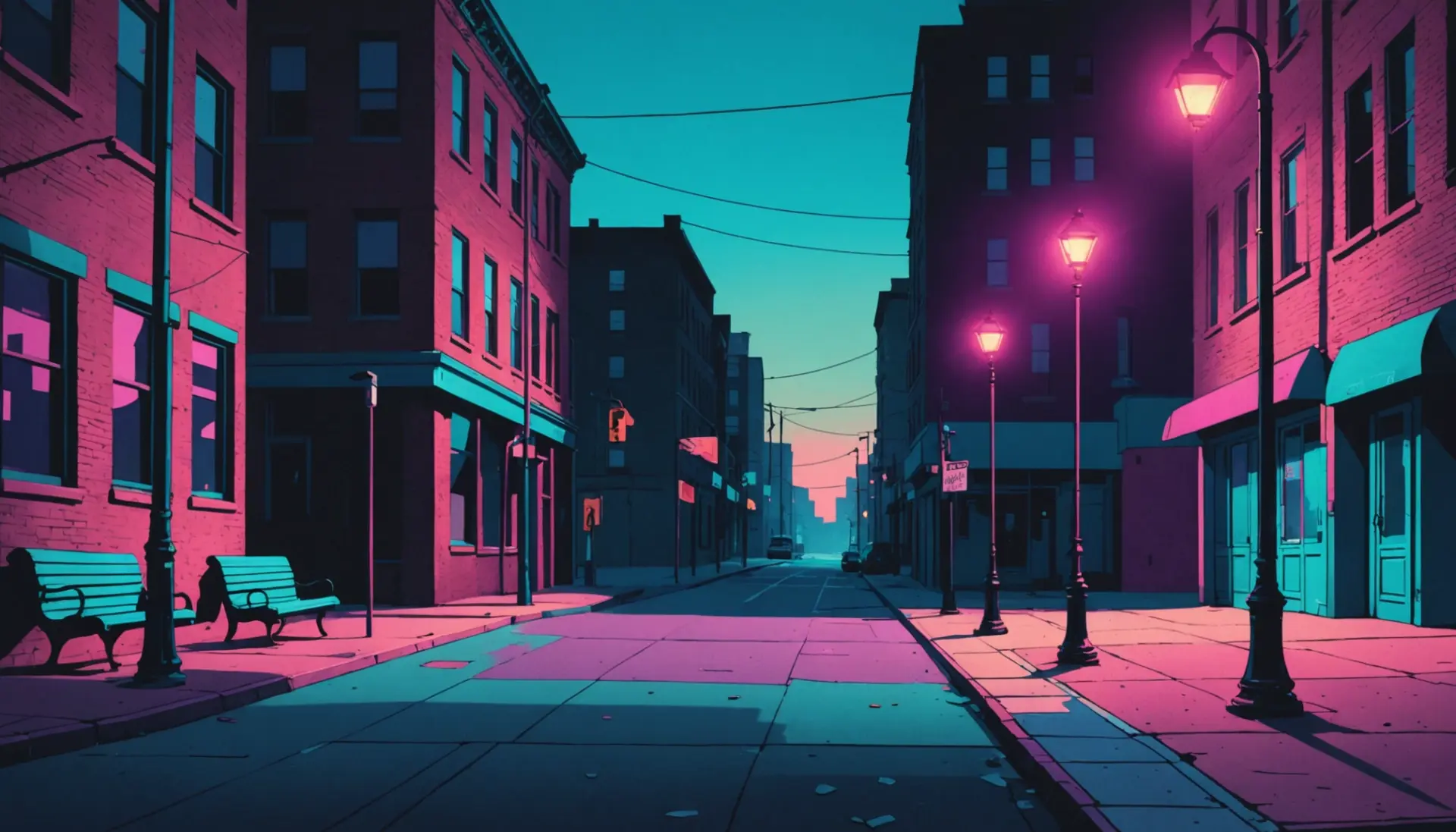

Intro: Why You Ask “what does eerie mean”
what does eerie mean is the question everyone types into search when they want the short answer: strange in a way that gives you goosebumps. Honestly, that immediate definition is fine for casual chat, but the word carries mood, history, and weird cultural weight.
Okay so, in this post I want to unpack what does eerie mean, how people actually use it online and IRL, and why it feels different from words like creepy or spooky. Expect examples, a tiny history lesson, and how to use it without sounding like a haunted mansion tour guide.
Table of Contents
What Does Eerie Mean? Quick Definition
When you search what does eerie mean, the concise answer is that eerie describes something uncanny, strange, or unsettling in a quiet, lingering way. It is not just loud horror, it is the quiet wrongness that makes you pause and stare.
The official dictionary glosses it as uncanny, weird, or causing fear because of strangeness. If you want a formal source, Merriam-Webster has the standard definition and usage notes that linguists and writers often cite.
What Does Eerie Mean? Origins and Etymology
The word eerie goes back to Old English and Scots roots that meant terrible or fearsome. Over centuries it softened from outright terror to a moodier, uncanny vibe. The Scottish influence is strong, which is why the word has a slightly poetic feel when you say it out loud.
For nerdy context, you can peek at older usages in period literature and magazines like the classic horror title Eerie (magazine) which borrowed the word for atmosphere rather than gore. That helps explain why eerie leans atmospheric.
When People Say Eerie: Modern Usage and Tone
People online use eerie to caption photos that feel off, like an empty playground at dusk or a very realistic CGI face that sits in the uncanny valley. It’s the go-to for subtle dread, not gross-out horror. If a photo makes you say, ngl that’s a little eerie, that’s the correct vibe.
Contrast eerie with creepy: creepy often implies skin-crawling discomfort from something actively gross or predatory. Eerie is quieter, more like a melody out of tune. For cultural context see the psychological idea of the uncanny valley, which overlaps with why people call CGI or hyperreal dolls eerie.
Real Examples: How People Use Eerie in Conversation
Here are actual-style examples people type or say, so you can hear the tone. These are realistic reconstructions of online speech rather than clipped textbook lines.
“That abandoned mall at sunset? Kinda eerie, like a set from Twin Peaks.”
“My neighbor’s cat keeps staring at the same corner every night. Eerie.”
“The AI photos are realistic but eerie, like humans who forgot how to smile.”
People also use eerie as a quick emoji caption. Example: “Eerie vibes tonight 😳” or “Found this picture in my attic, eerily familiar.” You can slip it into text, replies, or tweets and it reads as low-key dread rather than alarmist panic.
Cultural Moments That Felt Eerie
Some pop culture moments get labeled eerie fast. The early episodes of Twin Peaks had that slow, dreamlike weirdness that critics called eerie, and people still reference that today. Stranger Things borrows the eerie aesthetic too, mixing suburban normalcy with quiet wrongness.
Memes also weaponize eerie. A suddenly empty Times Square GIF, or a deepfake singer with a slightly off mouth, will trend with captions like “this is eerie”. For meme history around uncanny imagery, Know Your Meme catalogues many vernacular trends that overlap with the use of eerie.
Final Notes and How to Use Eerie
If you want to use eerie without sounding like a horror Tumblr circa 2012, keep it small. Use eerie for atmosphere, for things that unsettle quietly: an empty playground, a synth line that makes your stomach drop, or an old family photo with something off in the background.
And yes, since you searched what does eerie mean, here’s a rule of thumb: use eerie when the wrongness is soft, persistent, and uncanny. Use creepy when something actively scares or disturbs you. Use spooky for seasonal Halloween energy, fun and obvious.
Extra Resources and Links
If you want the formal dictionary take, check Merriam-Webster for definitions and usage. For more on the uncanny feelings that make things eerie, read about the uncanny valley on Wikipedia, which explains why near-human images provoke that strange response.
Want slang-adjacent reads on vibe words? We have pieces on rizz and delulu that explore how single words capture big emotional textures in modern speech.
Closing: Short Cheat Sheet
Quick cheat: when someone asks what does eerie mean, answer: quietly unsettling, uncanny, atmospheric. That covers most casual uses and keeps you from over-explaining.
Last thought, language shifts. Eerie can trend into new corners of social media, so you might see playful or ironic uses. But that core meaning, the one that gives you goosebumps, stays the same.