


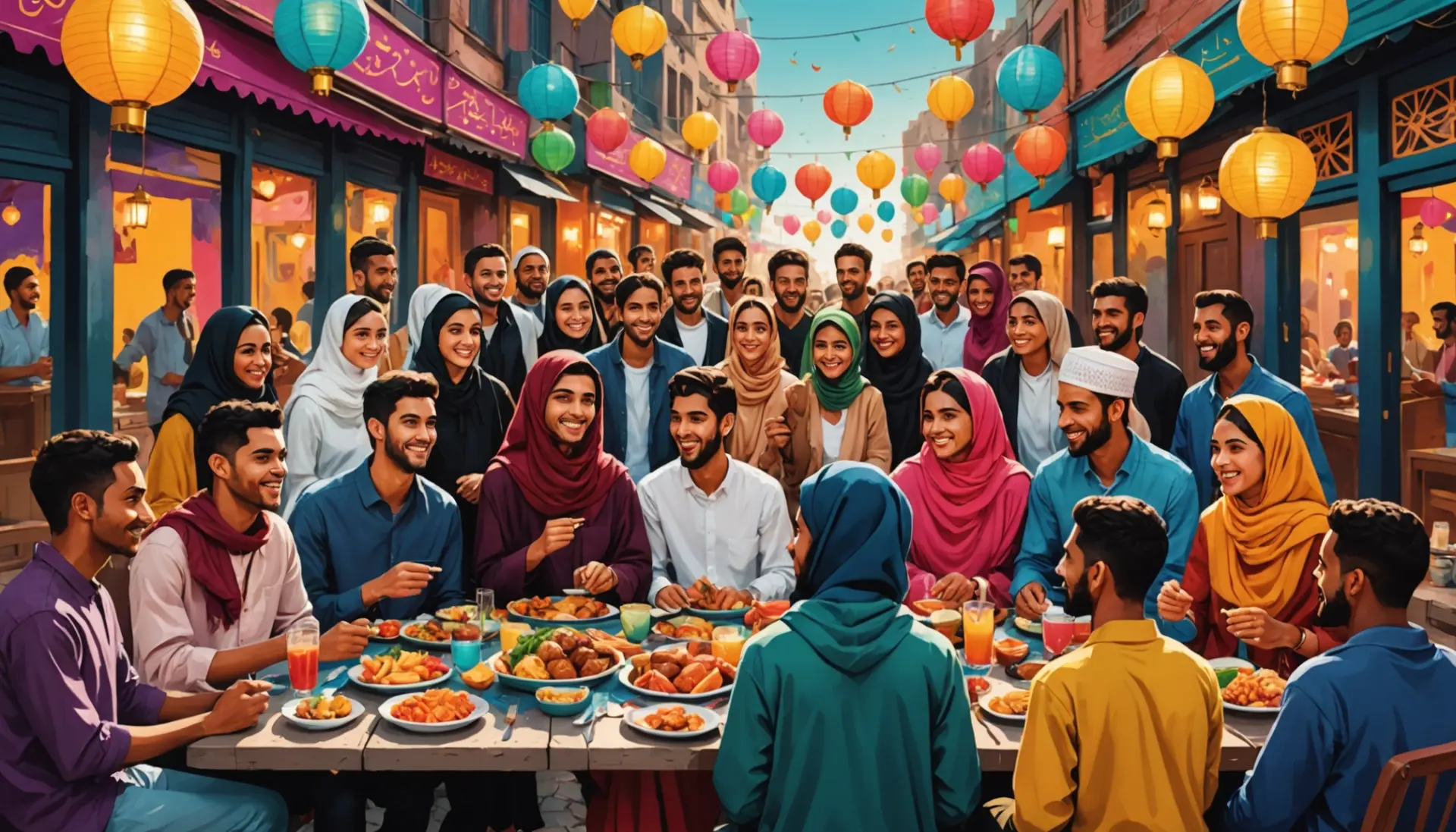

What Does Eid Mubarak Mean: Quick Answer
what does eid mubarak mean is a question people ask when they see the phrase pop up on Instagram or in a group chat around spring and summer holidays.
Short version: it is an Arabic greeting that basically says, “Blessed Eid,” used to wish someone well during the Eid festivals. But there is more nuance, history, and modern usage packed into those two words, ngl.
Table of Contents
What Does Eid Mubarak Mean: Literal Meaning
The phrase “Eid Mubarak” pairs two Arabic words: “Eid,” meaning festival or feast, and “Mubarak,” meaning blessed or blessedness. Put together, the literal translation is something like “Blessed Festival” or “Blessed Eid.”
People use it as a greeting on the two major Islamic holidays, Eid al-Fitr, which marks the end of Ramadan, and Eid al-Adha, commemorating Abraham’s willingness to sacrifice. For background on the holidays themselves see Wikipedia: Eid al-Fitr and Britannica: Eid overview.
What Does Eid Mubarak Mean: How People Use It
When someone asks “what does eid mubarak mean” they usually want to know how and when to say it. You say it like “Eid Mubarak,” with a smile, when you meet someone on Eid day, in texts, or on social media posts with family selfies and food pics.
Usage is broad. In formal settings, people might say it in greeting cards or on TV Ramadan messages. In casual settings, it shows up as a quick reply to a group message: “Eid Mubarak to you too!” It functions both as a spiritual wish and a friendly social cue.
Cultural Significance and Variations
Different regions have local flavors. Some say “Eid Sa’id” which means “Happy Eid,” while others add phrases like “Kul ‘am wa antum bikhair,” meaning “May you be well every year.” Those are used alongside “Eid Mubarak,” not instead of it, honestly.
The greeting crosses languages. You’ll hear it in Arabic, Urdu, Turkish, Indonesian, English, and more. It can be religious, cultural, or just plain polite depending on context. Celebrities and public figures often post “Eid Mubarak” on Instagram to acknowledge Muslim fans, which normalizes it in pop culture.
Examples: How People Text and Say It
Real-life examples make it clearer. Here are a few everyday ways people actually use the phrase, with tone notes so you get the vibe.
Friend group chat: “Eid Mubarak y’all! Who’s bringing the samosas?”
Text to a coworker: “Eid Mubarak, I hope you enjoy the day.”
Instagram caption: “Eid Mubarak from our family to yours. Swipe for the fit pics.”
See? Sometimes it’s informal, sometimes it’s formal. The phrase is flexible. It works as a heartfelt blessing and as a casual seasonal greeting in the same breath.
Etymology and Historical Notes
The word “Eid” comes from Arabic roots meaning returning or recurring festival. The root for “Mubarak” comes from the verb root linked to blessing and congratulations. Linguists and historians trace these usages through classical Arabic texts and later cultural practices.
Over time, “Eid Mubarak” moved from mosque courtyards into coffee shops and timelines. It shows how religious greetings adapt to modern life. For a primer on the broader holiday history check Eid al-Fitr on Wikipedia.
Quick etiquette notes
Want to say it without overstepping? Keep it simple: say “Eid Mubarak” with warmth. If you want to be more personal, adding “to you and your family” works. If someone replies with something else, like “Eid Sa’id,” match their tone. Respect first, energy second.
Final Thoughts
If you typed “what does eid mubarak mean” into Google, you now know the phrase is short, sweet, and widely used to wish blessings during Eid festivals. It is more than a translation though, it is a moment of connection across families and communities.
So next time you see “Eid Mubarak” in your feed, you can respond confidently. Maybe drop a GIF, maybe say it in person, or maybe reply with “Eid Mubarak! Enjoy the feast.” And if you want related slang or greetings, check out our other entries like rizz slang meaning and salaam slang meaning.
Parting note
Language evolves. Greetings travel with people and pop up in memes and campaign posts. “Eid Mubarak” is old and new at the same time. Say it with sincerity, and you will be fine.