


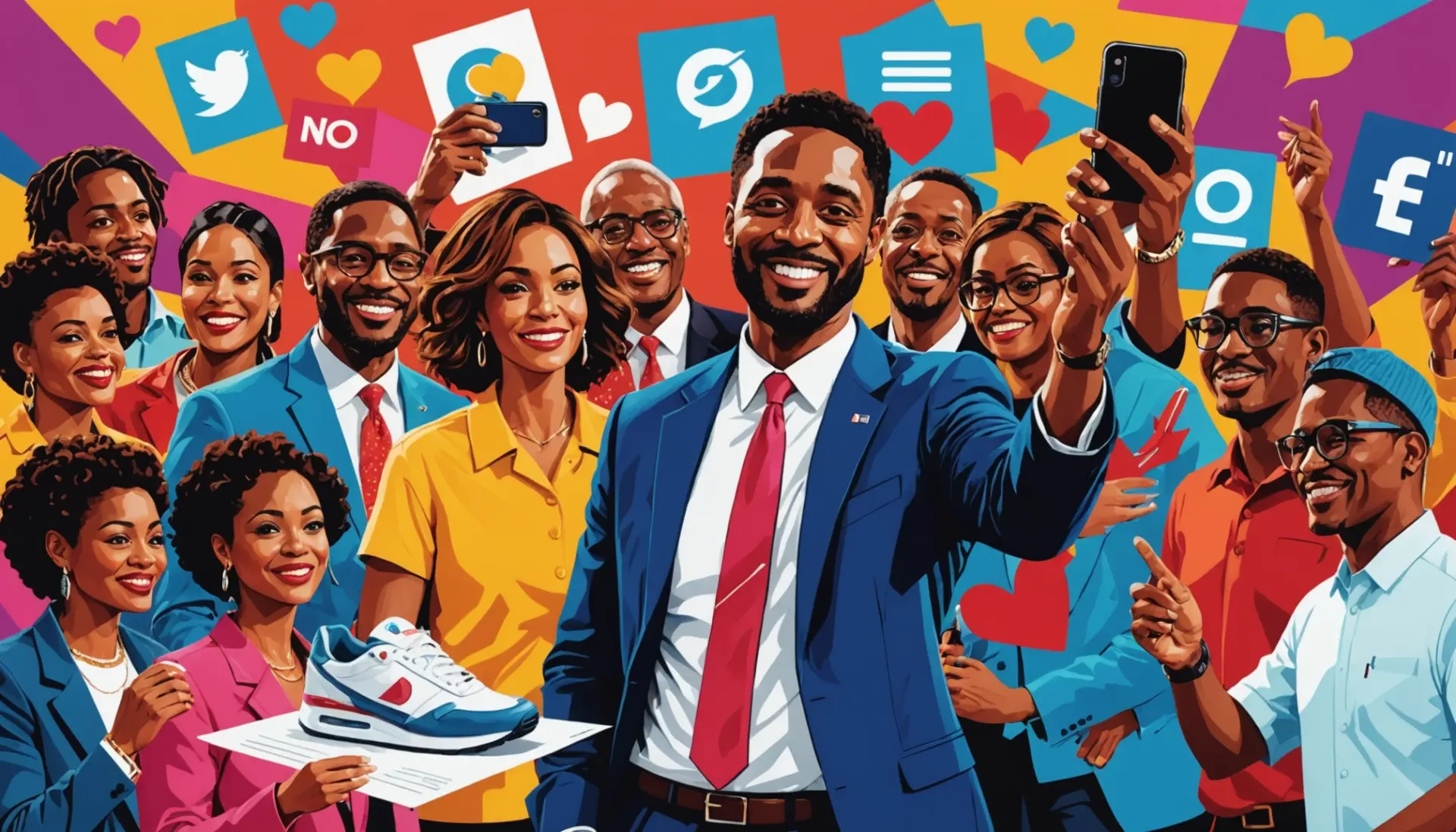

What Does Endorse Mean? Quick Answer
what does endorse mean is a question I get asked a lot, especially when people see influencers or politicians ‘endorsing’ something and wonder if it’s just a trend word or something more official. The short version: endorse can mean to publicly support, sign off on, or back someone or something, but the nuance changes with context.
Table of Contents
What Does Endorse Mean? Definition and Legal Uses
In plain English, endorse usually means to give support or approval to something. Think a celebrity saying they like a sneaker, or a board signing a policy document. Legally it can mean to sign a check, or to formally give approval on a contract.
Official dictionaries agree. For a formal take, see Merriam-Webster for definitions, and for a broader look at endorsements you can check the Wikipedia endorsement page. Those are good if you want the textbook stuff.
Origins and Formal vs Slang Use
The verb has roots in Latin through French, tied to signing on the back of documents. Over time it went from literal signing to the modern sense of backing or supporting something or someone. That shift mirrors how many words move from paperwork to everyday speech.
Used casually it can be banal, like endorsing a colleague for skills on LinkedIn. Used in PR or politics, it becomes a headline: endorsements can sway voters or boost a product’s credibility. Both meanings coexist, so context is everything.
What Does Endorse Mean? In Social Media and Influencing
On social platforms the word exploded alongside influencer marketing. An “endorsement” can be a paid partnership, a glowing Instagram reel, or a casual shoutout. Sometimes it is explicit, sometimes it is just vibes and a tagged post.
For example, when Taylor Swift credits a brand in a story, many outlets treat that as an endorsement. The line between authentic love and sponsored content is fuzzy, and platforms like Instagram require disclosures so people know when an endorsement is paid.
Real-Life Examples and Conversations
Here are realistic ways people use the word, not corporate-speak. These show the tone and situations where endorse lands.
Friend A: “Do you think Jake will endorse our fundraiser?”
Friend B: “He might, he always endorses local charities when his schedule allows.”
Text convo:
“Saw Serena posted our shoes. That’s basically an endorsement, right?” “Yeah, huge. Could blow up sales.”
And in a workplace: “The exec team endorsed the new PTO policy today,” meaning they gave formal approval. People also say, “I endorse this message,” sometimes jokingly, meaning they agree strongly with something on social media.
How to Use “Endorse” Correctly
If you are writing or speaking, pick your level of formality. Use endorse for formal backing: board members endorse a merger, politicians endorse a candidate. For casual agreement, “I support” or “I back” might sound more natural.
Want to call out a fake endorsement? Say “This post looks paid, not an organic endorsement.” That nails the nuance. And if you are an influencer, federal rules require you to disclose paid endorsements, so be transparent.
Related Terms and Slang
Endorsement sits near words like vouch, back, sponsor, and plug. In slang, “plug” or “stan” can carry endorsement vibes: stanning a brand is a form of cultural endorsement. If someone “plugs” a product on TikTok, they are endorsing it, sometimes without formal ties.
Curious about slang neighbors? We have entries on similar terms like rizz and delulu that show how cultural words evolve fast. For broader meme context, Know Your Meme is a useful external resource.
Conclusion
So, what does endorse mean in short? It means to publicly support, approve, or sign off on something, and can be formal or casual depending on the scene. Use the word when backing matters: legal papers, public support, or promotional content.
Honestly, the word feels more prominent than ever because culture now monetizes approval. Brands pay for endorsements, creators ride them, and everyone pretends authenticity. Keep an eye on disclosures and ask: is this endorsement paid, organic, or just flexing?
If you want deep dives on related slang and modern usage, check our pieces on bogart and mid for how language and approval interact in pop culture.