


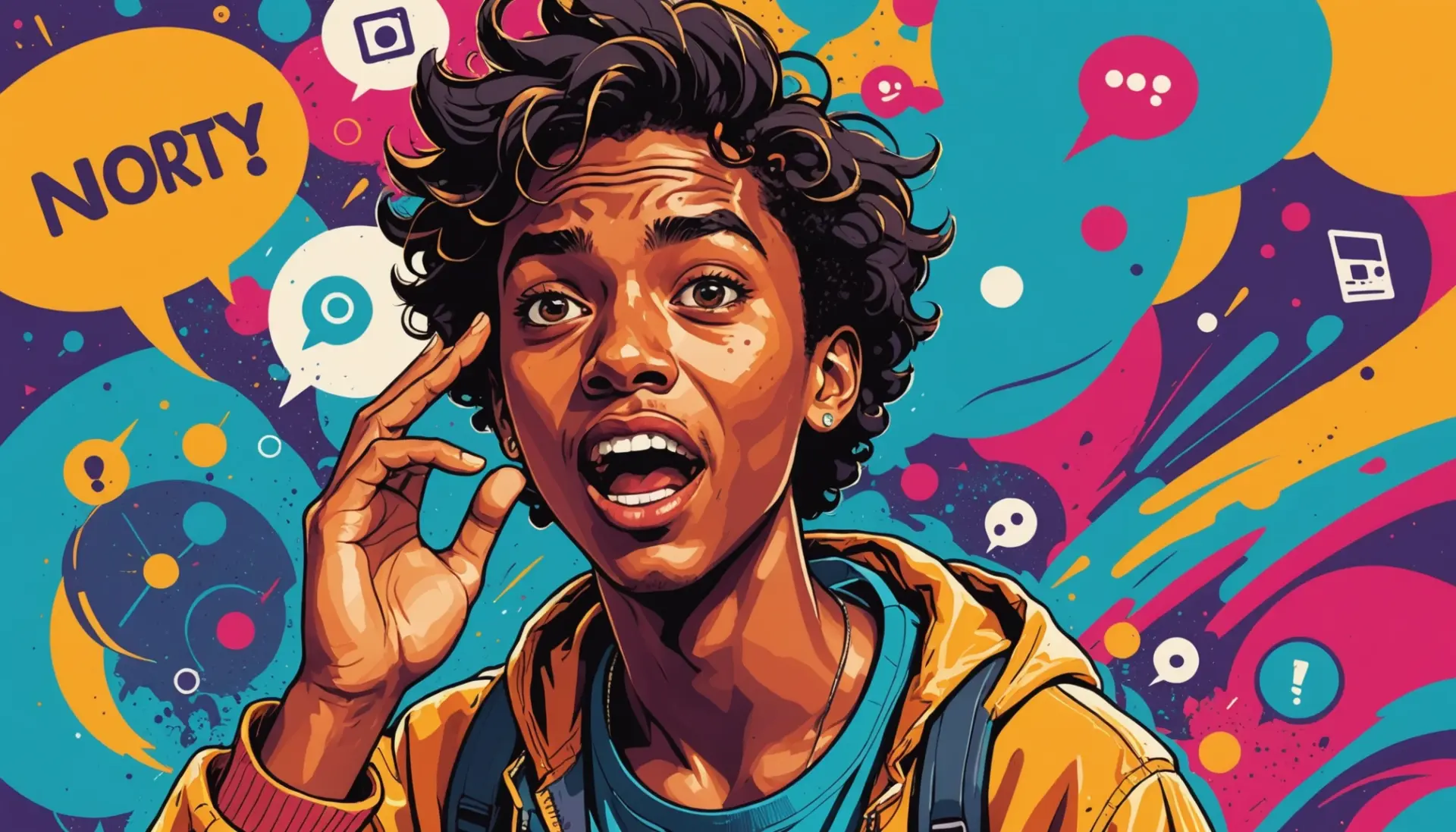

what does goggle mean? At its simplest, “goggle” means to stare with wide, surprised eyes, that kind of look you give when a plot twist in a show slaps you unexpectedly. It can be a verb: to goggle at something, or an adjective in the old fashioned phrase goggle-eyed. People use it both in everyday speech and as a punchy reaction online.
Table of Contents
What Does Goggle Mean: Quick Answer
When you ask what does goggle mean, you usually want the shorthand: it is a reaction word for staring open-mouthed or wide-eyed. Think shock, awe, disbelief or intense focus, all packed into a single, slightly old-school verb. Online it doubles as a memeable reaction, like typing a one-word response when a tweet blindsides you.
What Does Goggle Mean: Origins and Etymology
The verb goggle goes back centuries. It shows up in older English as a description of bulging eyes and exaggerated staring, and Merriam-Webster traces the sense of wide-eyed staring into Early Modern English. For a quick reference on the eyewear meaning, check the Wikipedia entry on goggles which explains the noun form for protective eyewear.
So why does the same word mean eyewear and staring? The connection is visual: goggles are about your eyes, and to goggle is to do something dramatic with them. The language nerd in me likes that symmetry, but honestly, people today mostly use the verb sense when they say they are “goggling” at something surprising.
What Does Goggle Mean: How People Use It Today
In modern casual speech, goggle tends to be used like other reaction verbs: gasp, faint, cringe. Someone might say, “I was goggling when she said that salary number,” meaning they were stunned. It’s often playful, not clinical or rude, depending on tone.
On social platforms, goggle shows up as slang in comments and captions. People write things like, “Me goggling at his glow-up,” or just drop the present participle, “goggling rn,” instead of a longer reaction. Urban Dictionary entries capture this contemporary usage, though take those with a grain of salt: Urban Dictionary: goggle.
What Does Goggle Mean: Goggle vs Google
Confusion comes up because goggle is one letter away from Google. People sometimes typo Google as goggle and the mix-up can be funny. But the meanings are different: Google is the search giant, goggle is about eyes or staring.
Another twist: a few internet jokes deliberately swap the two, like screenshots that say “I goggled the answer” to mock someone who misused the brand name. The meme energy here is classic Gen Z: play with language, then reshare for laughs.
Regional and Cultural Variation
Use of goggle varies by place and age. In the UK, you might still hear older speakers use goggle or goggle-eyed in a slightly quaint way. In the US, younger people favor it as a light, ironic reaction on Twitter, TikTok, and Instagram comments.
On TikTok, creators sometimes pair goggling with a specific audio clip or POV trend: you watch a reveal and then cut to a wide-eyed reaction. This visual-first format suits the word nicely. For more context on how slang trends move through platforms, Wikipedia has good overviews of internet culture and memes: Know Your Meme is also a handy resource for tracking specific clips or jokes.
Real Conversation Examples
Want to hear goggle in actual chat? Here are natural lines people use, typed exactly how they might appear in DMs or replies:
Friend A: “He said he paid HOW MUCH for those sneakers?”
Friend B: “I’m goggling fr.”
Colleague: “We have to present tomorrow with no slides.”
You: “Okay, I’m goggling. Not my finest moment.”
Another quick example from social: “goggling at this fit, she looks insane.” Short, flexible, expressive. Notice how it can be jokey or genuine, depending on context.
Wrap Up: Should You Use It?
So, what does goggle mean for you? Use it when you want a compact, slightly cheeky way to signal wide-eyed surprise. It reads casual and a bit playful, perfect for texts or snappy comments. If you are writing formal copy, maybe skip it, but for chats and social posts, it lands well.
If you want to explore nearby slang, we have resources on other popular terms like rizz and bogart on SlangSphere. And if you want a dictionary-style nod, Merriam-Webster gives a solid definition of the verb and noun senses here: Merriam-Webster: goggle.
Final note: language is messy and playful. Say goggle, goggling, or goggle-eyed when it fits, and enjoy the tiny theatricality of the word. NgI, I love that we can still find small words that do big expressive work.