



what does hare mean is a question I get from friends after they hear it in a BBC drama or see the phrase “mad as a March hare” pop up in a meme.
Okay so, short answer first: depending on context, “hare” can be literal, old-fashioned, or slangy, and yes, it sometimes means to run away fast. This post will map the word across biology, idioms, and modern chat so you can sound like you know what you mean when you use it.
Table of Contents
What Does Hare Mean? Quick Definitions
When someone asks “what does hare mean”, they might be asking about the animal: a long-eared rabbit-like creature in the genus Lepus. For that, see the basic biology entry on Wikipedia or definitions at Merriam-Webster.
But “hare” also turns up in idioms. “Mad as a March hare” is old-school English for acting wild. And in informal speech, especially British English, “to hare” or “to hare off” means to dash away quickly.
What Does Hare Mean? Origins and History
The word itself goes way back in Germanic roots, and hares have been in folklore for centuries. People linked their twitchy, unpredictable behavior to ideas about madness, springtime craziness, and fertility rituals. That is how the March hare phrase arrived in poetry and later in Lewis Carroll’s Alice in Wonderland.
“Mad as a March hare” — an idiom that leans on the hare’s frenzied spring behavior.
So when you ask “what does hare mean” in an etymological sense, you’re asking about animals, myths, and language all tangled together. History matters here; the slang came later, borrowing that image of sudden movement.
What Does Hare Mean? Modern Slang Uses
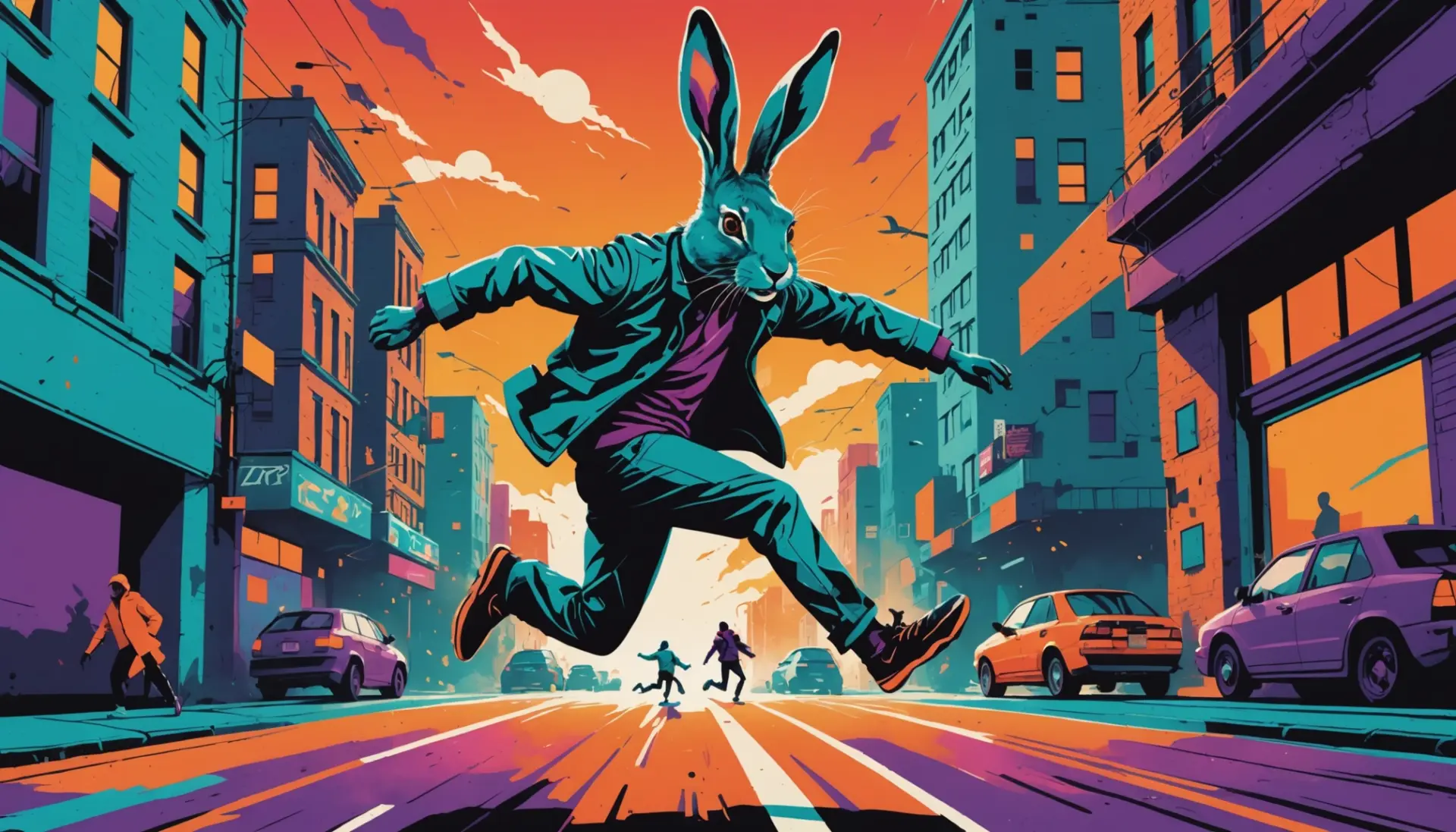
In modern casual English, “hare” is most often a verb in the phrase “to hare off” or “to hare it”, meaning to leave fast. Think: “I had to hare off because I was late for a meeting.” That is pretty common in UK conversation.
There are also niche uses. On forums or in gaming lingo, someone might say “he hares in” meaning he bursts into a situation aggressively. Context is everything. When people ask “what does hare mean” online, they often mean one of these quick-movement senses.
Examples: How People Say ‘Hare’ in Real Chats
Want real-world lines you could hear in a DM, text, or on Twitter? Here are a few natural examples, nothing staged:
- Friend group chat: “Gotta hare to work, my boss’s back is in town lol.”
- On Reddit about a party: “They all haired it when the cops showed up.”
- Text to a pal: “I saw him hare across the street like he forgot something.”
Those are casual. You can also find the word in older song lyrics or British TV, where characters drop “hare” in the same way they’d say “leg it” or “dash off.” Ngl, it sounds brighter than “run” sometimes, more vivid and a bit cheeky.
Should You Use ‘Hare’ in Talk?
Short answer: sure, if you want a slightly old-school or regional flavor. It reads as British or literary in many ears, so American audiences might find it quaint. But if you say “I had to hare it” in a group that watches a lot of UK shows, they will get it and might even think it’s cool.
Want to sound natural? Pair it with casual rhythm. For example, “We hares off at the first sign of trouble” has a briskness that fits the word. Don’t overuse it though. It carries a tone: vivid, a touch ironic.
Where to learn more
If you are curious about the animal side of hare, the Wikipedia entry on hares is solid. For formal dictionary senses, check Merriam-Webster. For discussion about slang usage and examples, community threads and regional dictionaries are helpful.
Also, if you like this sort of slang unpacking, we have other entries on the site you might enjoy, like Bogart, Rizz, and Delulu. Those show how words shift from niche to mainstream.
Final Thoughts
So again, “what does hare mean” can be simple or layered. It can mean the literal animal, a wild idiom from British folklore, or a quick verb that means to run off. Use it when you want a punchier, slightly literary or regional way to say “run”.
Language is living. Words like hare get recycled in memes, scripts, and texts. Keep listening to how people use it in context, and you will know which meaning is intended. Curious about other weird words? Hit the site. We will keep explaining slang without sounding like a textbook.
Example recap: “what does hare mean” might show up as a noun, an idiom, or a verb meaning to dash. Use the context and the tone to pick the right one. Simple, but useful.