


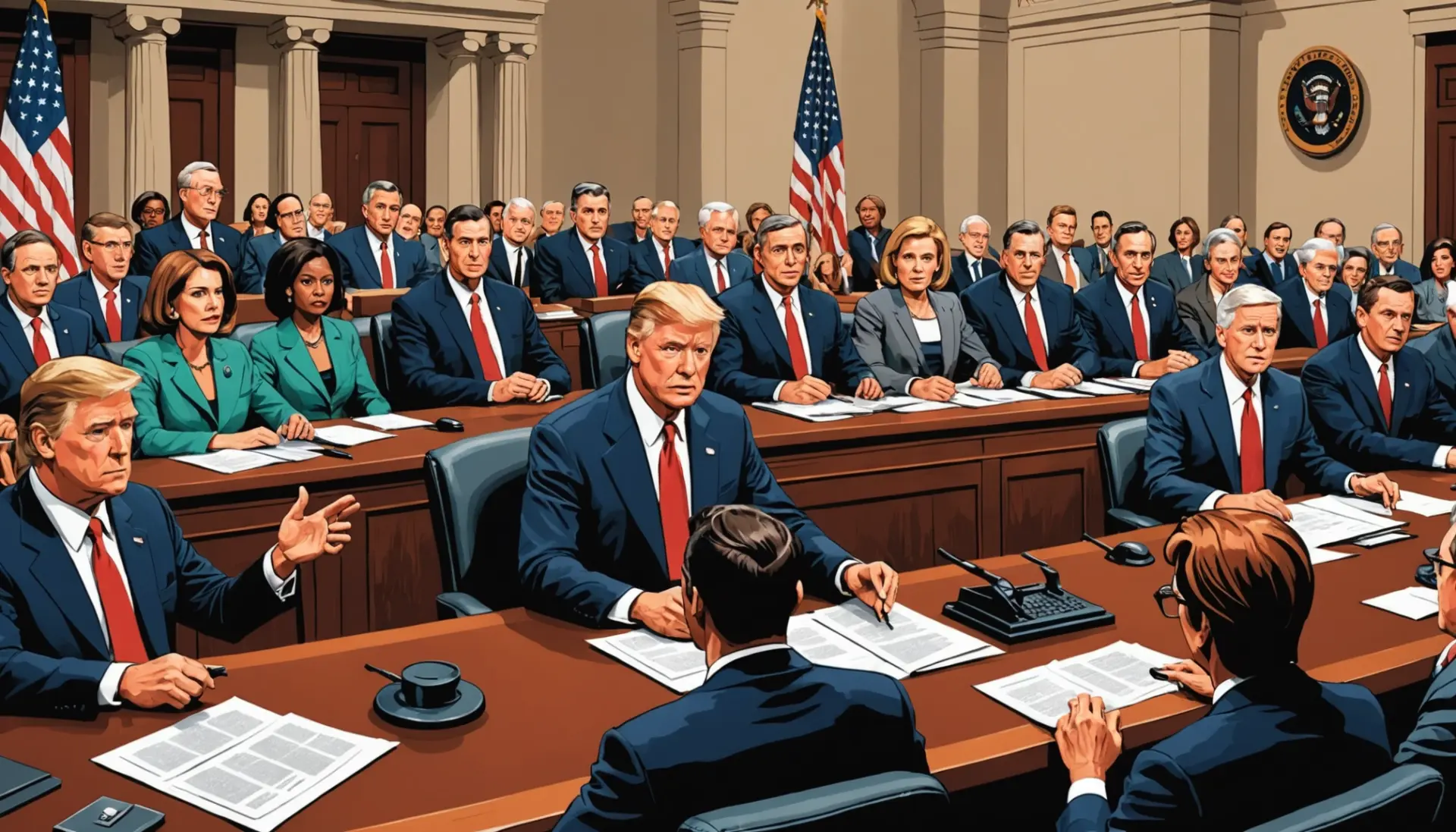

Intro: why people say “what does it mean to be in contempt of congress”
what does it mean to be in contempt of congress is the phrase you hear every time a hearing goes viral and someone refuses to answer questions. Honestly, it sounds scarier than it often plays out on cable news. People use it like a mic drop line: you blow off a subpoena, the committee votes, boom, you are “in contempt.”
But like any phrase that lives in headlines, the real meaning mixes law, politics, and theater. I want to unpack it for you, in plain talk, with examples and some annoying legal detail. No fluff, just the facts and the cultural flavor.
Table of Contents
What Does It Mean to Be in Contempt of Congress? Legal Meaning
So, what does it mean to be in contempt of congress at its core? It means a person or entity has disobeyed a congressional order, usually a subpoena, or obstructed the work of Congress. That could be refusing to testify, hiding documents, or otherwise blocking an investigation.
The concept has a few flavors: civil contempt to force compliance, criminal contempt to punish obstruction, and inherent contempt which is historic and rarely used. For a good legal primer see Wikipedia on Contempt of Congress or the official descriptions at Britannica.
How the Process Works, Step by Step
Okay so what does it mean to be in contempt of congress in practice? First, Congress issues a subpoena or orders cooperation. If the person refuses, the committee can vote to hold them in contempt of Congress. That vote is usually symbolic but it triggers follow-up options.
From there, the House can refer the contempt citation to the Department of Justice for criminal prosecution, or the chamber can pursue civil action asking a court to order compliance. Sometimes the House uses historical “inherent contempt” powers to arrest and detain, but that has not been used in a century, and it looks messy and dramatic when threatened.
What Does It Mean to Be in Contempt of Congress? Real Examples
Want a headline to attach to the abstract? Think Steve Bannon. In 2021 Bannon was held in contempt by the House for refusing to comply with a January 6 committee subpoena. That brought criminal charges, which is exactly the kind of follow-through people mean when they say “contempt.”
Other modern examples include executive branch officials who defy subpoenas, and corporate executives who withhold documents. Public figures get extra attention because contempt citations feed into viral takes, memes, and late night monologues.
Journalist: “He’s been cited for contempt?”
Friend: “Yeah, basically Congress told him to hand over files and he said nope.”
Penalties, Politics, and Why It Matters
So what does it mean to be in contempt of congress in terms of consequences? The penalties vary. Criminal contempt can carry fines and jail time, but prosecutions are unpredictable and politicized. Civil contempt aims at compliance rather than punishment, like court orders to produce documents.
Politics matters more than people think. The Department of Justice decides whether to prosecute criminal contempt, and that can depend on who’s in charge. In some cases Congress uses contempt to make a political point rather than to guarantee a conviction.
How People Actually Say It, IRL
On group chats and Twitter threads people use the phrase as shorthand for someone being officially shady. Example convo: “Dude, did you see the clip? He got held in contempt of Congress.” “Bro, that’s emblematic.” Simple. It signals official trouble, not just rumor.
Here are some realistic ways people use the phrase: “If you ignore a subpoena you risk being in contempt of Congress.” “She was found in contempt of Congress after skipping the committee.” “They voted to hold him in contempt of Congress but DOJ might not prosecute.” Short, direct, and usually followed by a meme or a dunk.
Further Reading and Sources
If you want primary sources, the House and Senate websites describe their contempt rules and history. For legal background check out the statutory framework at Congress.gov and the legal overviews at Wikipedia. For a short definitional take, see Merriam-Webster.
Also, for context around famous cases read news coverage of the January 6 committee and cases involving private advisers to presidents. These are the moments that make the phrase blow up on socials and late night TV.
Wrap-up: should you care when someone is in contempt of congress?
If you hear someone ask “what does it mean to be in contempt of congress” now you can answer: it signals formal congressional pushback for refusing to cooperate, with legal and political consequences. Sometimes dramatic, sometimes symbolic, and often a headline generator.
NG L: it matters. Not always because someone will go to jail, but because contempt citations reveal where power fights are happening between Congress and other actors. And yeah, they produce excellent clips for memes and commentary.
Sources and links
External: Contempt of Congress on Wikipedia, Merriam-Webster definition, Britannica overview.
Internal: see related slang explainers like rizz slang meaning, delulu slang meaning, and bogart slang meaning.