



Intro
If you’ve ever typed “what does it mean to impeach a witness” into Google, you were probably trying to figure out whether someone was being removed from office or just having their credibility dragged through the dirt. The phrase gets tossed around a lot in news coverage and TikTok explainers, and most people hear impeachment and think political drama.
But in legal-speak, impeaching a witness is a specific move: it is about attacking the believability of a person who has sworn to tell the truth. Short version: you are not trying to remove them from a job, you are trying to show the jury or judge they are unreliable.
Table of Contents
What does it mean to impeach a witness: legal basics
So again, what does it mean to impeach a witness in plain English? It means the lawyer challenges a witness’s credibility so that the factfinder doubts their testimony. This can change how evidence is weighed and sometimes flips the whole case.
Impeachment can involve showing the witness lied before, has inconsistent statements, bad character for truthfulness, or bias. The Federal Rules of Evidence spell out rules like using prior convictions to attack credibility. See the Cornell Legal Information Institute for the nitty gritty: Cornell LII on impeachment.
What does it mean to impeach a witness: real courtroom moves
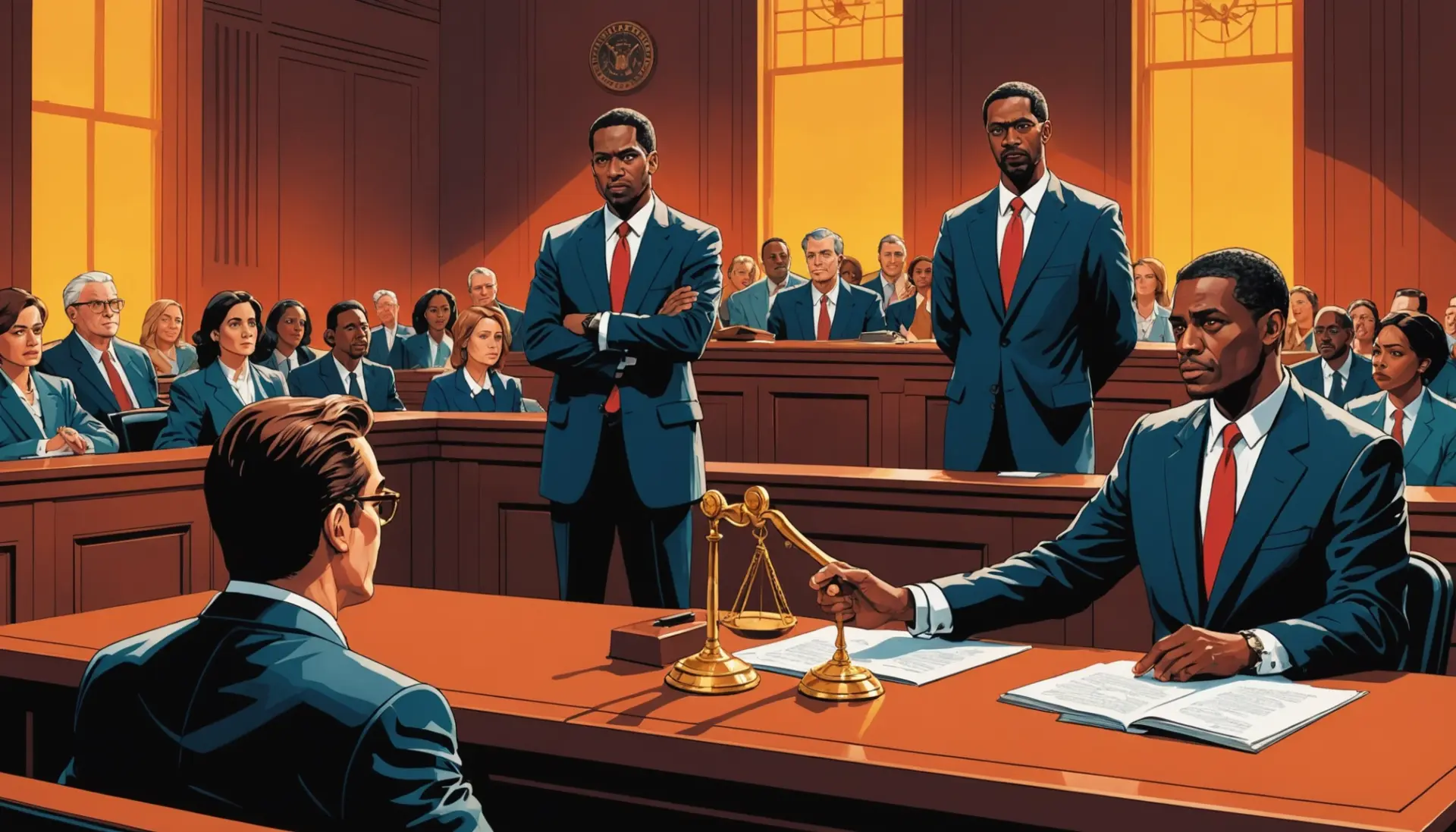
On TV, courtroom scenes make impeachment look dramatic. In real life, it’s procedural but potent. A lawyer might quote a prior statement that conflicts with the witness’s testimony, or introduce an old social media post that contradicts their story.
Remember the O. J. Simpson trial? Public moments like that taught audiences to spot credibility fights, even if the legal mechanics were simplified. Impeachment is the formal label for those credibility punches.
Common tactics used to impeach a witness
There are common, recognizable tools. You have prior inconsistent statements, which is simply showing the witness said something different earlier. Then you have prior bad acts or convictions that say something about honesty. There is also bias or motive to lie, and problems with perception or memory.
Rules limit some of these moves. For example, evidence of a prior crime may be allowed only if it relates to truthfulness. Courts balance the probative value against unfair prejudice. If you want the rule text, check Rule 608 and Rule 609 on Cornell: Federal Rule of Evidence 609.
Casual usage and how people misuse the term
NgI, people online misuse “impeach” a lot. Someone will say “they impeached his character on Twitter” and mean they roasted him. That is not legally wrong in casual speech, but it is different from what lawyers mean.
Folks also conflate political impeachment with witness impeachment. They share a root idea, challenging credibility or fitness, but they operate in separate arenas. The political impeachment of an official is not the same as impeaching a witness in court, even if both involve attack strategies.
Real examples and sample conversations
Here are real-sounding ways people use the phrase. First, a lawyer-style line: “We’re going to impeach the witness with his previous deposition where he said the car was blue.” Short, clinical, and specific. That is an actual courtroom move.
A: “Wait, why are they bringing up my text messages?”
B: “They’re trying to impeach the witness, basically show you lied before.”
And the more casual use: “He got impeached on Twitter after his DMs leaked.” People mean he lost credibility publicly. That’s slangy and not legal, but widely understood.
Why impeaching a witness matters
Because credibility is currency in trial. Even strong physical evidence can be undercut if the key witness seems sketchy. You can have the best forensic lab, but if the jury thinks the teller is lying, their verdict shifts.
Impeachment can alter how testimony is interpreted, what evidence is believed, and whether the jury trusts a timeline. It’s less flashy than a viral clip, but often more consequential.
Strategic risks and ethical limits
Attacking a witness can backfire. Badgering a witness too aggressively risks sympathy for them. And lawyers must follow ethics rules; you cannot fabricate evidence or bully someone into false statements.
Witness impeachment has legal guardrails. Courts may exclude impeachment methods that are more prejudicial than probative. So a smart lawyer calculates both the legal admissibility and the jury psychology.
Further reading and sources
If you want authoritative background on impeachment rules, the Cornell pages are solid. For a plain dictionary definition, Merriam-Webster gives a helpful short take: Merriam-Webster on impeach.
And for cultural context around the buzzword, you can look at media coverage of high-profile trials and hearings. That helps you see how everyday speech bends the legal meaning into slang.
Takeaway
So, to circle back, what does it mean to impeach a witness? It means to attack their credibility so the judge or jury doubts their testimony. In casual talk, people use it to mean any kind of character takedown, but in law it has precise rules and real consequences.
If you want a quick primer on related slang, peek at how people use terms like rizz when talking about charm or influence, or how “gaslight” shows up in credibility fights: gaslight slang meaning. Those pages are more pop culture than procedure, but they help with the vocabulary.
Image credit and notes
Image concept below is editorial only, no legal advice is provided here. If you have a specific case question, see a lawyer. For deep legal text, the primary sources like the Federal Rules of Evidence are the best reference.