



Introduction
what does it mean when a jury is deadlocked? That question pops up on Twitter threads, in true crime Reddit deep dives, and at kitchen tables when people argue about courtroom drama shown on TV. Honestly, it is legal-speak for a jury that just cannot reach the required agreement to return a verdict, usually unanimity in criminal cases.
Okay so, this post is here to unpack what that phrase actually signals, what happens next, and why the drama on a legal procedural looks different from the reality. I promise no dry law-speak. Just straight talk, real examples, and a few surprising facts.
Table of Contents
What Does It Mean When a Jury Is Deadlocked? Quick Definition
The plain answer: when people ask what does it mean when a jury is deadlocked, they are asking about a jury that cannot agree on the verdict required by law. In many U.S. criminal trials that means unanimous agreement, though some jurisdictions allow nonunanimous verdicts for certain cases.
So a deadlocked jury is not about hostility or drama, it is literally about numbers and votes. Jurors deliberate, discuss evidence, and then they vote. If the votes never coalesce into the legally required decision, the jury is deadlocked.
What Does It Mean When a Jury Is Deadlocked? Why It Happens
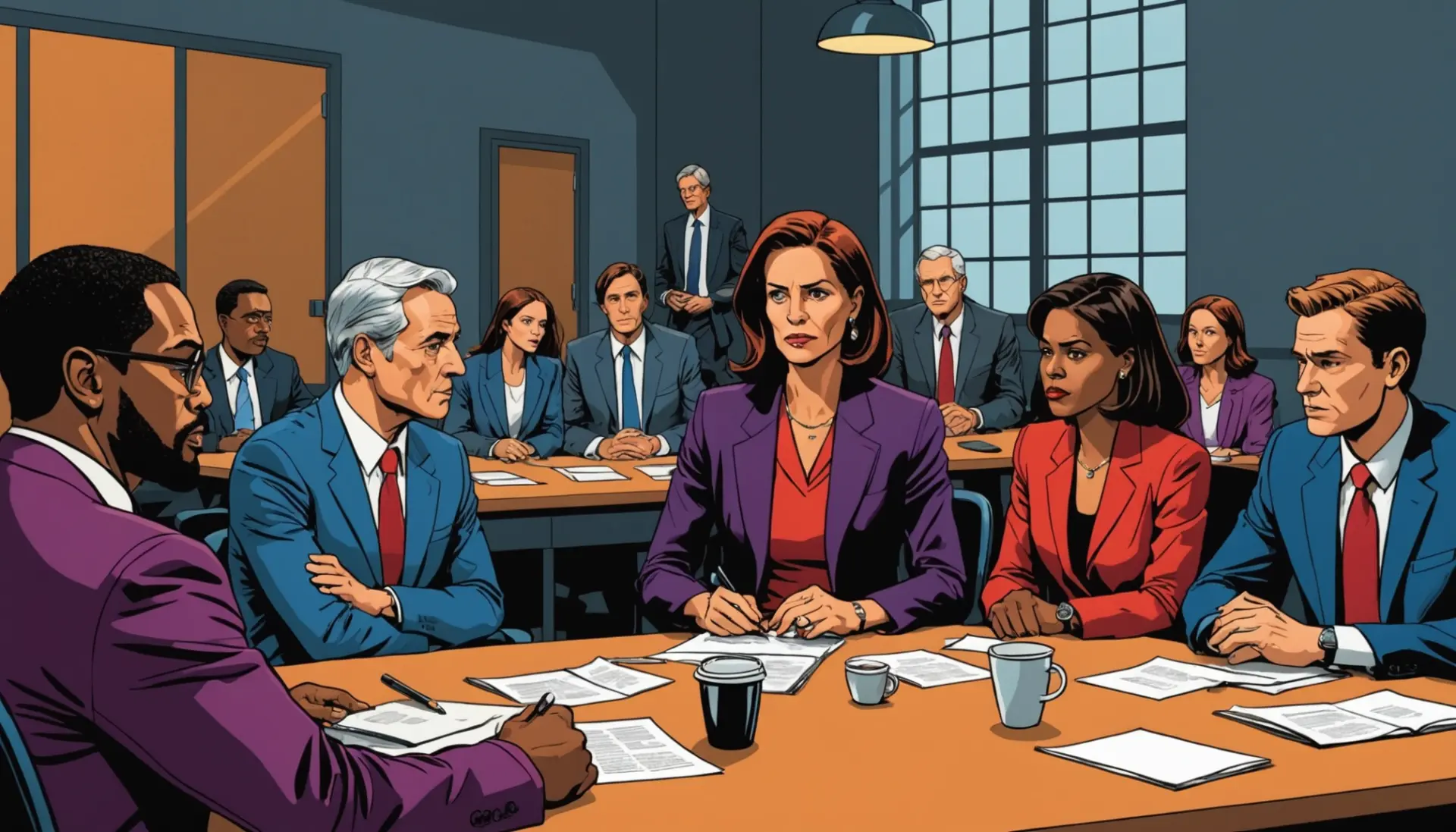
People imagine juries as sitcoms with explosive arguments. Sometimes that happens, but more often a deadlock happens because reasonable people interpret evidence differently, or because a key witness is shaky. Different life experiences, biases, and standards of proof all collide in the deliberation room.
Also, jury instructions matter. If the judge explains the law in a way some jurors find confusing, that can stall consensus. Finally, emotional weight plays a role: jurors may want to avoid convicting when there is any reasonable doubt, while others focus on accountability. The result can be a split that refuses to budge.
Legal Consequences of a Deadlocked Jury
When the panel is stuck, the judge has options. One is to give what lawyers call an “Allen charge” in some jurisdictions, encouraging jurors to reexamine their positions and try again. Another option is declaring a mistrial due to a hung jury.
What happens after a mistrial? The prosecution can usually retry the case, negotiate a plea, or drop charges. Sometimes the judge and lawyers will push for a new trial date, which means the whole emotional roller coaster starts again. That makes the deadlock a big deal, not just a footnote.
Real-World Examples and Pop Culture
High-profile cases sometimes go cold because juries are deadlocked. For instance, the OJ Simpson trial era had juror disagreement discussions in public commentary, and lots of true crime podcasts highlight hung juries as turning points. If you read about a celebrity trial and see a mistrial, that is usually the legacy of a deadlocked jury.
On TV, shows like Law & Order compress deliberations into a dramatic monologue. Real deliberations are slower and more human. When people ask what does it mean when a jury is deadlocked, they should picture a group of strangers arguing over a messy, ambiguous pile of facts.
How People Actually Say It
Here are some everyday examples of how the phrase is used in conversation. They are real-sounding, not scripted.
Friend 1: “Did you see the update? The jury’s deadlocked.”
Friend 2: “So does that mean mistrial?”
Twitter user: “Hearing the jury is deadlocked on ep 3, ngl the defense did a weird job.”
And in courtroom reportage you will hear: “The jury is deadlocked, the judge declared a mistrial.” Each of these lines is a slightly different take on what does it mean when a jury is deadlocked, but all point to the same thing: no agreement.
What to Watch Out For
Deadlocks can create public confusion. Sometimes media headlines conflate a deadlocked jury with proof of innocence. That is a mistake. A deadlock is not an exoneration, it is an impasse. The defendant might walk free if charges are dropped, or face a retrial—there is no single outcome.
Also, different countries and states treat deadlocks differently. In the U.S., most federal criminal convictions need unanimity. In other places, majority verdicts exist. So when someone asks what does it mean when a jury is deadlocked, you have to ask where the trial is happening.
Further Reading and Sources
If you want the technical details, the Wikipedia page on a hung jury is a clear primer. For legal definitions of “hung jury” and related terms, Merriam-Webster and the US Courts have straightforward entries.
More reading: Hung jury on Wikipedia, Merriam-Webster definition of hung jury, and US Courts, jury service overview.
Related SlangSphere Entries
If you liked this breakdown, you might also enjoy our pieces on legal lingo and courtroom slang. Check hung jury slang meaning and jury duties explained for connected reads.
Wrapping Up
So what does it mean when a jury is deadlocked? It means the jurors could not agree to the level the law requires, and now the case faces specific next steps, from an Allen charge to a mistrial and possible retrial. Not glamorous, sometimes messy, but very consequential.
If you want more courtroom phrases explained like this, we have other write-ups that make legal-speak feel like regular talk: try our piece on legal slang. Thanks for reading, and if you have a case or a true crime episode you want unpacked, drop it in the comments below.