



Intro
what does kayfabe mean is the first thing a lot of people ask when they catch a wink-and-nod moment in wrestling, reality TV, or influencer drama. Honestly, the word sounds like old-school locker room slang, but it shows up in memes, podcasts, and tweets all the time now. If you grew up watching The Rock sell a promo or saw CM Punk blur the line between real and staged, you were watching kayfabe play out. This post explains where the term came from, how people use it now, and how to call it in real life without sounding like a dweeb.
Table of Contents
what does kayfabe mean: Origin
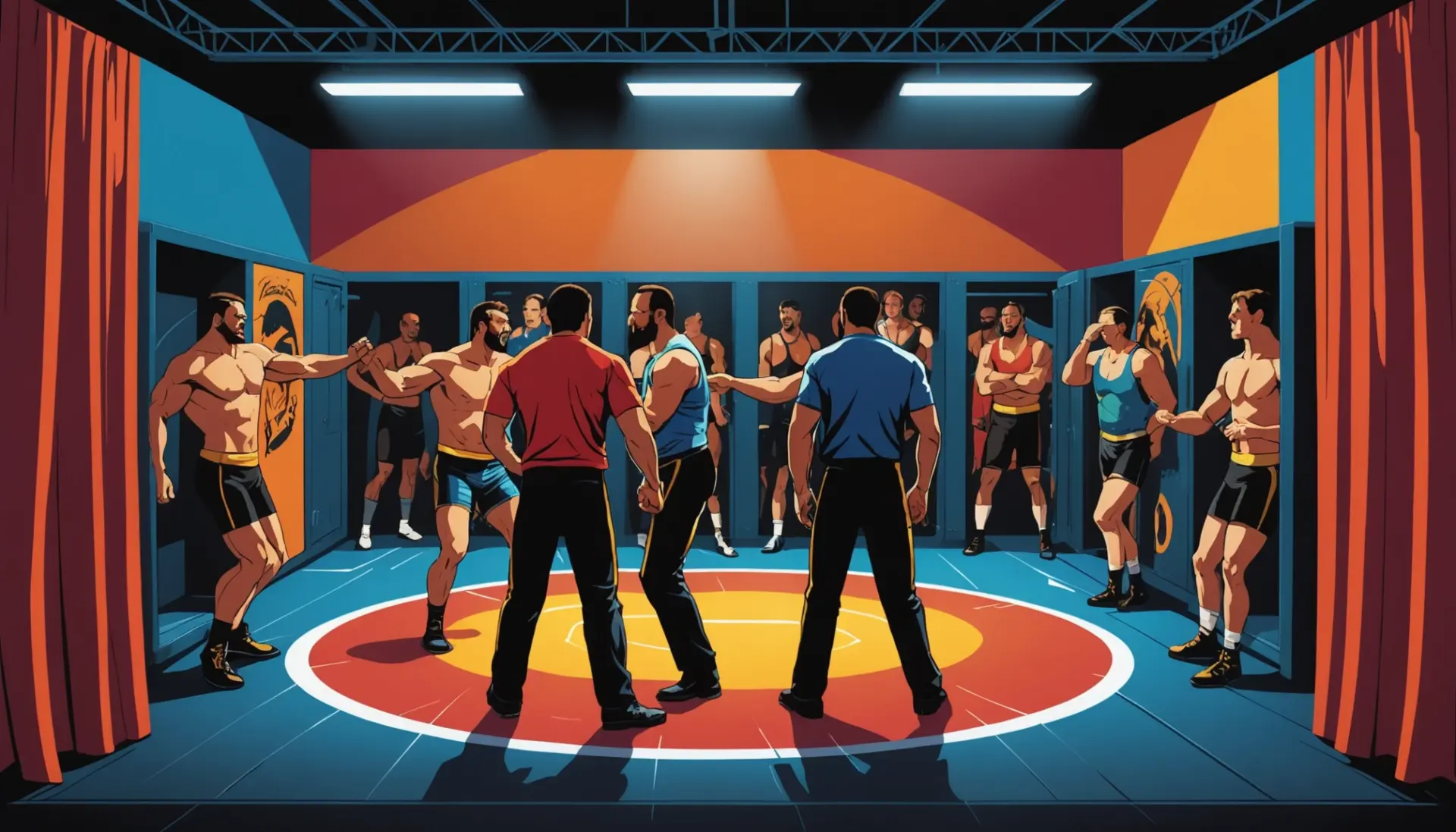
The simple answer, in wrestling speak, is that kayfabe is the illusion of reality a show keeps up. Back in the early 20th century, promoters and performers had a vested interest in protecting the business and the stories they told. So they treated scripted rivalries like real life, both on and off camera, to keep fans emotionally invested.
The word itself probably comes from carnival slang. People think it evolved from pig latin or from phrases used to talk in code. If you want a quick history lesson, the Kayfabe – Wikipedia page is a solid place to start. Wikipedia gives the basics and some famous incidents where kayfabe broke down in front of audiences.
what does kayfabe mean in modern usage
Today kayfabe still lives in wrestling, but it also migrated into reality TV, influencer PR, and politics. People use it when two people pretend to hate each other for views, or when a reality star stages an argument for attention. The core idea is the same: maintaining an agreed lie so the performance lands.
Wrestling promotions like WWE used to be religious about kayfabe. Fans were expected to believe everything was real. Then social media happened, backstage photos leaked, and the curtain got ripped. Still, performers sometimes maintain kayfabe during interviews, social media spats, or surprise appearances, because drama sells tickets and clicks.
Real examples and how people say it
If you want to see kayfabe in action, think of The Rock selling his line about smelling what he cooks, or Stone Cold Steve Austin storming the ring. Those promos are scripted to feel spontaneous. People who study wrestling cite moments like Bret Hart vs Shawn Michaels or the infamous Montreal Screwjob as times when kayfabe and real life collided, and fans freaked out.
Kayfabe also gets used as shorthand among fans and creators. Someone might tweet, “That breakup was total kayfabe,” meaning it was staged for content. Or a friend might say, “Stop kayfabing, I can tell you two are cool behind the scenes.” See how the word moves from describing a business practice to a roast you can drop in a group chat.
Text convo examples:
Alex: “Did you see that fight on the reunion?”
Jamie: “Total kayfabe, they hugged right after.”
Sam: “ngl, the boxing match felt staged.”
In case you want a cultural anchor, Know Your Meme tracks how older subcultural terms like this get memed and reused, and it has a page about kayfabe moments trending online Kayfabe on KnowYourMeme. That kind of documentation helps explain how the word left the arenas and moved to feeds.
Why kayfabe still matters
Why care about kayfabe beyond nerding out on wrestling lore? Because the practice teaches us how audiences respond to believable fiction. Drama that reads as real is more compelling. Brands learned this, and so did reality producers. The line between real and staged content is a cultural battleground now.
There is also an ethical angle. Fans want transparency but they also crave spectacle. When kayfabe crosses into deception about serious matters, people get pissed. Remember when celebrity PR staged a fake apology or relationship for clout, and the fallout was huge? That is kayfabe gone wrong.
For performers, maintaining kayfabe can protect storylines and give them work longevity. For fans, calling out kayfabe can be a way to reclaim authenticity. Either way, the term helps name a shady yet fascinating part of show business.
Final takeaway
So what does kayfabe mean? It means pretending, convincingly, to keep a story alive. That could be a promo in a packed arena, a manufactured reality TV feud, or two influencers faking drama to spike engagement. The concept matters because it sits at the crossroads of performance, audience trust, and attention economics.
If you want to use it casually, try: “That podcast feud was pure kayfabe.” Say it with a half-smile. People will get it. And if you want more slang that stretches beyond the obvious, check out other entries on our site like rizz slang meaning and delulu slang meaning. For older slang deep cuts, bogart slang meaning is a fun read.
Need an authoritative explainer for further reading? The Wikipedia article on professional wrestling explains why kayfabe was so important for the business professional wrestling – Wikipedia. Between that and fan analysis, you can see how kayfabe evolved from a protective code of conduct to a daily content strategy.
Quick tips on spotting kayfabe
Look for exaggerated reactions, perfect camera angles, and timing that seems designed for virality. If everything peaks right when an ad break begins, chances are kayfabe is at work. Ask yourself whether the payoff feels earned or engineered. That question will tell you if you are watching an authentic moment or a produced beat.
Final note, ngl: kayfabe is fun. It lets creators tell bigger stories. But it also teaches media literacy, which is no small thing. Keep your skepticism sharp and your popcorn ready.