


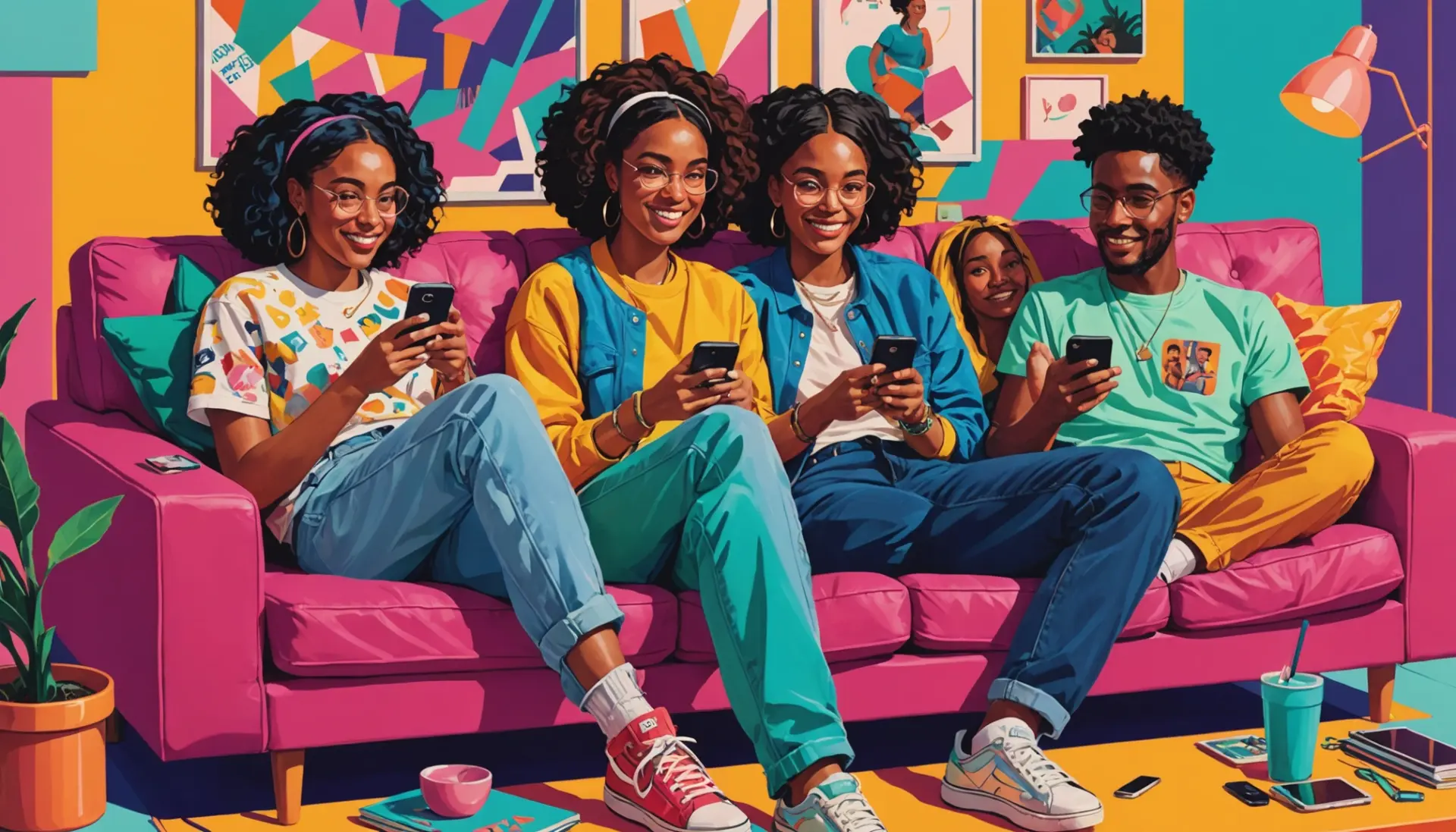

what does loll mean? If you saw it in a group chat, an Instagram caption, or overheard someone on a TikTok live, you are not alone: the tiny word has multiple moods and a weird little history.
Table of Contents
What Does Loll Mean? Quick Definition
At its simplest, what does loll mean depends on context: it can be the old-school verb meaning to lounge or sprawl, or a modern texting variant that either riffs on lol or deliberately signals low-effort laughter. Confusing? Totally. Language likes to multitask.
Historically, loll has a straightforward dictionary sense, which you can read about at Merriam-Webster. That sense is still alive in books and British English, where someone might loll on a sofa and look blissfully bored.
What Does Loll Mean Online and IRL
Online, people often type loll as a variant of lol, sometimes to be playful, sometimes to purposely exaggerate. Some users double the letter to indicate extra giggling, as in loll or l0ll, while others use it as a typo that stuck and became intentional.
In real life, loll as a verb keeps its classic vibe: think of someone lolling their head to one side. That image appears in older novels and in film, a relaxed, slightly silly posture. So you get two families of meaning, one physical and one digital.
Origins and Linguistic Roots
The verb loll goes back centuries and appears in English as early as the 1500s, related to lounging and flopping about. The online variant has no single inventor; it is a case of keyboard play and memetic drift.
If you want the internet angle, consider how “lol” exploded in the 1990s and 2000s. Variation is natural. People stretched it, sequenced it, and then created intentionally misspelled takes. For a broader view of internet acronyms like lol, Wikipedia has a useful overview at Wikipedia.
Real Examples: How People Use Loll
Examples are the fastest way to get this. Here are realistic snippets you might see in DMs, comments, or IRL chatter. Notice how tone and punctuation change meaning.
Text chat:
“He showed up in pajamas lol”
“He showed up in pajamas loll”
Same scene, slightly different energy. The second feels more teasing, almost like a drawn-out giggle.
IRL caption on Instagram:
“me on the sofa, just lolling about”
Another example from a group chat: someone posts a ridiculous flex, and a friend replies, “loll, stop it”. Here loll is playful disbelief, a softer laugh than “stop, I’m dead” or “omg lmao”.
Want a more sarcastic use? A commenter on a meme might write, “loll as if” to layer irony on top of a casual laugh. Context rules: tone, emoji, and punctuation decide whether loll is warm, mocking, or sleepy.
Why People Use Loll, Honestly
People like tiny linguistic moves that signal in-group status. Typing loll instead of lol can be a micro-flex: you are online enough to know the variant, but chill enough not to overdo it. A lot of slang functions this way.
Also, loll can be deliberately ambiguous. Want to laugh but not escalate? Use loll. Want to sound casual in a reply to your boss’s joke? Maybe skip it, but among friends, loll reads as light-hearted. Tone policing is real.
If you care about the old-school sense, loll is sensory. Authors like Jane Austen use similar imagery for characters who lounge and observe. That physical meaning sneaks into modern captions when someone wants to evoke laziness or comfort with a wink.
Wrap Up and Takeaway
So what does loll mean? It is a tiny shape-shifter. It keeps one foot in dictionary land, the other in chat culture. Use it to be playful, to soften a laugh, or to literally describe lounging.
If you want to geek out further, check resources on traditional word histories and internet slang. For classic definitions see Merriam-Webster, and for how laugh acronyms evolved, Know Your Meme on LOL is annoyingly thorough and incredibly useful.
Curious about related terms? We have pages on lol, rizz, and delulu if you want to map the vibe. Language moves fast, and so do our tiny laughs.
Final note: if you want to be safe in mixed company, stick to lol or a simple emoji. Among friends, try loll if you are aiming for playful, low-effort giggles. Use it, but use it with feeling.