



What Does Mason Mean? Definition and Quick Uses
What does mason mean is a question people type when they see the word in text, hear it in convo, or get tagged in a photo caption and wonder, wait, what now?
Quick answer: mason can mean a trade worker who lays bricks or stone, a member of the Freemasons, or just someone named Mason. But language is messy, and slang adds layers.
Table of Contents
What Does Mason Mean? Origins and History
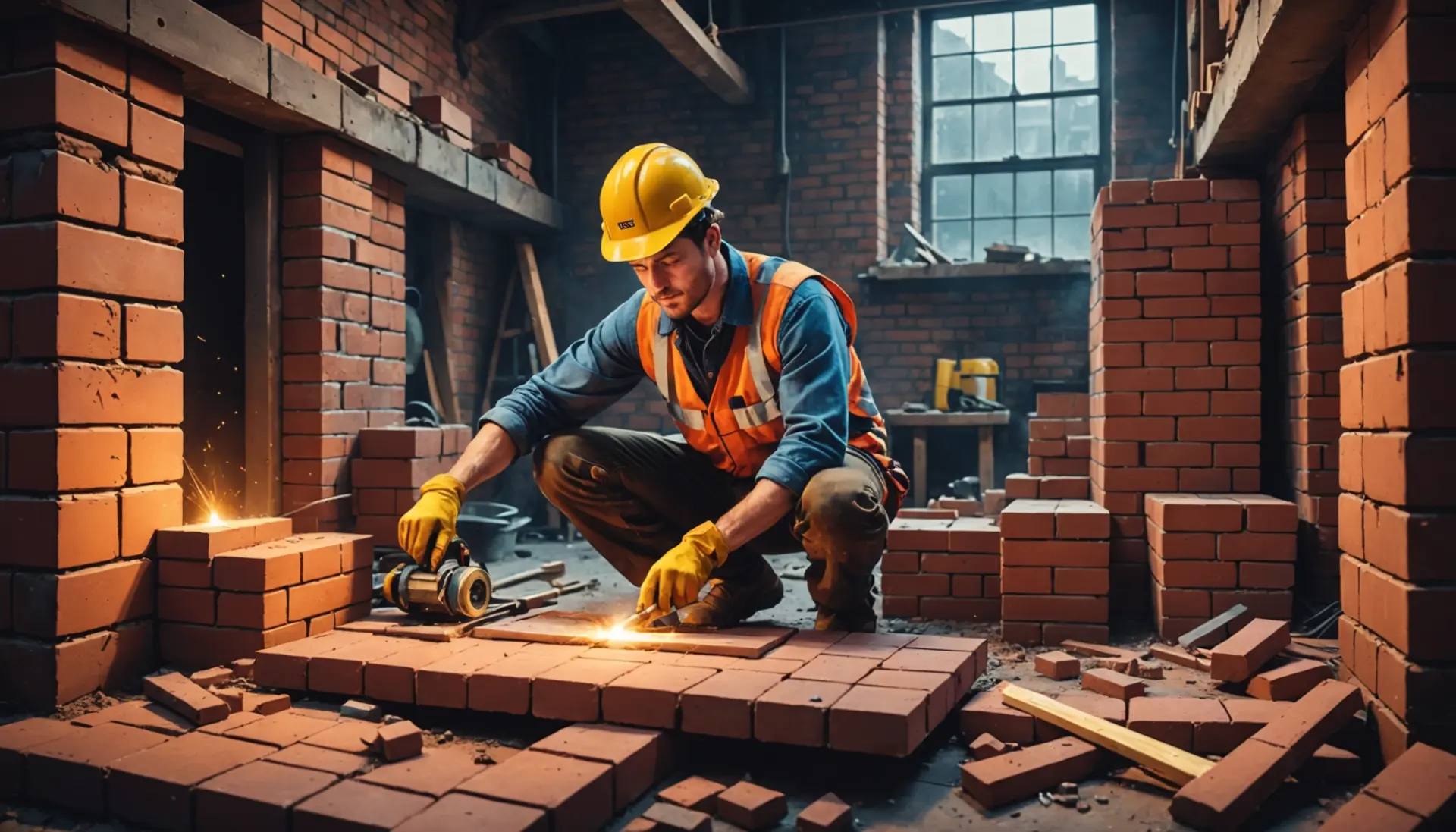
Historically, mason comes from Old French and Latin roots tied to stonework and building. If you look up the occupational origin, you get a straightforward lineage: mason as a craftsperson who shapes or lays stone.
That sense is the oldest and still common in everyday language, dictionaries, and job ads. See Merriam-Webster for the standard lexical take on mason, and Wikipedia covers the occupation in more depth.
But then you have the Freemasons, a fraternal order that adopted the term centuries ago because stonemasons used guild structures and rituals. That social layer gave the word a secretive, ritualized vibe in pop culture.
Modern Usage: Slang, Jobs, and Memes
So what does mason mean in modern slang? It depends on context. If someone on Reddit says, “he’s a mason,” they might mean he literally works in construction, or they could be joking about him being in a secret society, or simply referencing his name.
Online, mason sometimes shows up in meme threads as shorthand for Freemasonry conspiracies, especially in late-night Reddit threads or conspiracy TikToks. Other times, influencers will call a character “Mason” as a trope, like the stoic blue-collar type. Context clues matter.
Real Examples: How People Say “Mason”
Examples help. Here are realistic lines you might see in chat, DMs, or caption land.
“Did you meet Mason? He’s a mason IRL, been on scaffold duty all week.”
“Bro joined the lodge, full mason energy now.”
“Why’d you tag Mason in that? He’s not even in the group.”
Those three sentences show the range: job, fraternal vibe, and just a name. Notice how tone alters meaning with almost no extra words.
How to Use It and When Not To
If you want to use mason casually, match the context. Say it plainly if you mean the job: “My cousin is a mason.” That’s neutral, clear, and wins no drama points.
If you’re referencing Freemasonry, be cautious. Calling someone a “mason” as an accusation or implication of secrets can come off conspiratorial or weird. People online throw the term around like it’s a hot take and then pile on theories — ngl, it gets tiring.
And if it’s a name? Use normal name etiquette. If you text “Mason pulled up,” folks will read it as a first-name reference, not slang. Tone, platform, and audience decide everything.
Related Terms and Links
If you want deeper reading on the fraternal side, check out Freemasonry on Wikipedia. For the occupational sense, Wikipedia’s occupation page is solid too, see Mason (occupation) on Wikipedia.
For quick dictionary clarity about the word itself, Merriam-Webster gives a compact definition at Merriam-Webster. Those are good anchors when slang and history collide.
If you liked this kind of slang unpacking, you might enjoy our other takes on modern terms like rizz meaning or the vintage vibes behind bogart slang meaning.
Final Thoughts
So, what does mason mean? It wears a few hats: a tradesperson, a member of a fraternal order, or simply a name. Slang tends to bend the word in funny ways, but the original meanings still anchor everyday use.
When you see mason in a caption or chat, pause and read the room. Is it a job flex, a low-key conspiracy wink, or just someone’s buddy? That little check keeps you from misreading tone and looking like the person who responds with 72 emojis.
Want more weird little etymology-and-slash-slang posts like this? Stick around. I’ll keep parsing the words you actually see in DMs and comment threads, not the ones people pretend to care about on forums.