



Intro: Quick answer
what does memorial day mean is the very question people type into search at the end of May, often between planning a barbecue and scrolling through a sale ad. The short answer: it is a U.S. federal holiday to honor military personnel who died while serving their country. But there is a lot more packed into that sentence, history and cultural baggage included. Stick around, I promise this won’t be a lecture.
Table of Contents
What Does Memorial Day Mean: The History
what does memorial day mean in historical terms? It goes back to the aftermath of the Civil War, when communities started decorating the graves of fallen soldiers. The term Decoration Day was common in the 19th century, and on May 30, 1868, General John A. Logan called for a national day to decorate the graves of Union soldiers.
There are competing origin stories, like Waterloo, New York, claiming the first official observance, and other towns making similar claims. The important part is that it evolved from local acts of remembrance into a national observance honoring people who gave their lives in service.
In 1971 Congress made Memorial Day a federal holiday observed on the last Monday in May, to create a long weekend for Americans. That shift helped change how people experienced the day, turning solemn remembrance and civic rituals into something that coexists with leisure, sales, and the unofficial start of summer.
What Does Memorial Day Mean Today: Traditions and Culture
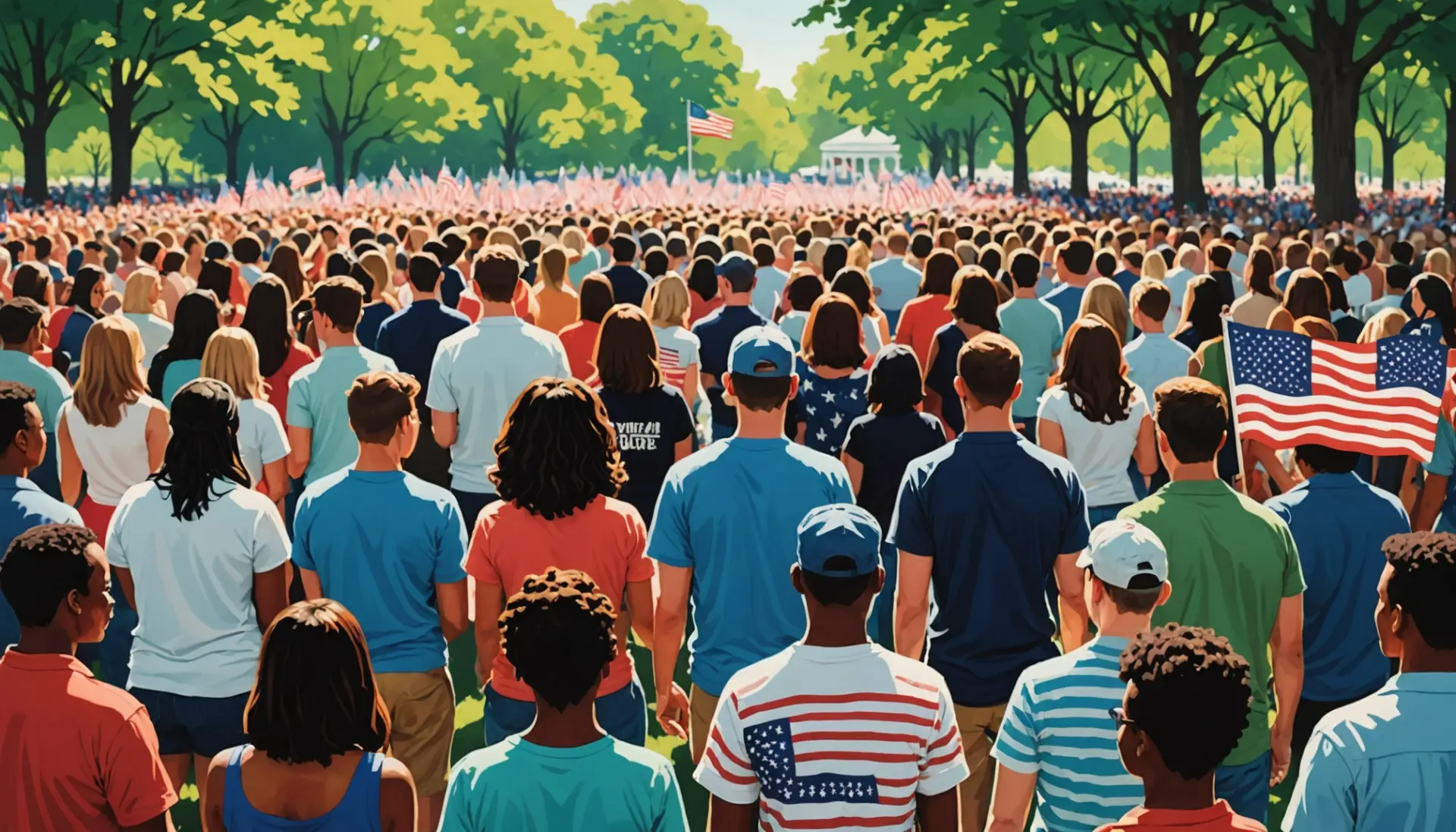
what does memorial day mean now, in modern life? Practically, it looks like parades, wreath-laying ceremonies, and that single moment at 3 p.m. local time called the National Moment of Remembrance when folks are asked to pause for a minute of silence. It also looks like flags at half-staff until noon, then raised to full-staff, a ceremonial gesture packed with symbolism.
But ngl, the day also means backyard grills, clearance markdowns, and travel plans. Pop culture leans in too, from Bruce Springsteen showing up at veterans’ events to Memorial Day sales being referenced in commercials and meme threads. The tension between honoring and enjoying the long weekend is real, and people feel it differently.
How People Use the Question in Conversation
People throw the question “what does Memorial Day mean” at different moments. A college friend might text, “what does Memorial Day mean again? Are we off campus?” Someone older might ask, “Does Memorial Day honor vets or the fallen?” Both are valid; context matters. Casual curiosity and genuine confusion coexist.
Here are real-style examples of how the phrase gets used in chats and social posts:
-
Text from Jess: “What does Memorial Day mean? Do we have class Monday or is it a federal thing?”
-
Tweet-style: “what does Memorial Day mean if we still have to work? #holidayconfusion”
-
Conversation at a BBQ: “I always forget, is Memorial Day for veterans or those who died in service?”
See? Simple, human. The question often signals someone trying to reconcile logistics with meaning. That split is part of the holiday’s story.
Misconceptions and the Difference From Veterans Day
A major confusion: people use “what does Memorial Day mean” when they actually need to know whether it honors living veterans or those who died. Clarifying it is easy, and important. Memorial Day honors military personnel who died in the line of duty; Veterans Day honors all who served, living or dead.
If you want a straight source, the U.S. Department of Veterans Affairs lays out the distinction clearly, and Wikipedia provides a dense historical timeline for the holiday. Both are handy if you’re writing a speech or just trying to win an argument with your cousin about proper etiquette.
External reading: Wikipedia on Memorial Day, and U.S. Department of Veterans Affairs Memorial Day.
Ways to Observe Without the Hallmark Moment
Want to honor the day but tired of performative posts and sales links? There are low-key, meaningful options. Attend a local ceremony, visit a veterans cemetery, listen to recorded oral histories from families, or support veteran organizations that assist widows and families.
Wearing a poppy is another tradition, inspired by the poem “In Flanders Fields” and popularized by activists after World War I. The red poppy became a quiet, wearable symbol that says you remember. Also, consider donating to groups that help Gold Star families or veterans dealing with service-related injuries.
Popular culture and the internet
Memorial Day also shows up in memes, playlists, and TV promos. Artists occasionally release songs or performances timed to the holiday, and big media outlets run retrospective pieces about wars and the human stories behind them. Fans or critics on social platforms will call out brands that use militaristic imagery in ads for unrelated products, and those conversations get loud fast.
Want a short glossary? Many people wonder whether a funeral flag, a moment of silence, or a wreath-laying is the most appropriate way to mark the day. There is no universal rule, but respect and intent go a long way.
Practical etiquette people ask about
Quick rules that answer the core “what does Memorial Day mean” etiquette questions: stand and remove hats during the National Anthem or a moment of silence, follow local ceremony schedules, and avoid using overtly celebratory language in posts that reference fallen service members. Tone matters.
If you are posting pictures from a beach or BBQ, a small nod in the caption acknowledging the day’s meaning can be enough. You do not need to be somber all day, but showing awareness separates thoughtful from thoughtless.
Resources and Further Reading
Want the official definitions or to read more detailed histories? Merriam-Webster offers a concise definition, and the National Archives has primary documents and proclamations related to Memorial Day. Those are useful if you want to fact-check a claim about dates or origin stories.
Additional reading: Merriam-Webster definition, and archival materials at the National Archives provide primary sources on the holiday’s evolution. Also, if you want to compare how people talk about other observances, check these related SlangSphere pages: Veterans Day meaning and Flag Day meaning.
Closing Thoughts
So if you find yourself asking “what does Memorial Day mean” while loading the grill or scrolling sale ads, you are not alone. The phrase captures a genuine tension between rest and remembrance, leisure and loss. Both can coexist if you bring a little awareness to how you spend the day.
Final takeaway: honor the fallen, be mindful in your posts, and if you can, show up to something physical that remembers those who paid the ultimate price. It matters.
External authoritative links: Wikipedia, U.S. Department of Veterans Affairs.