


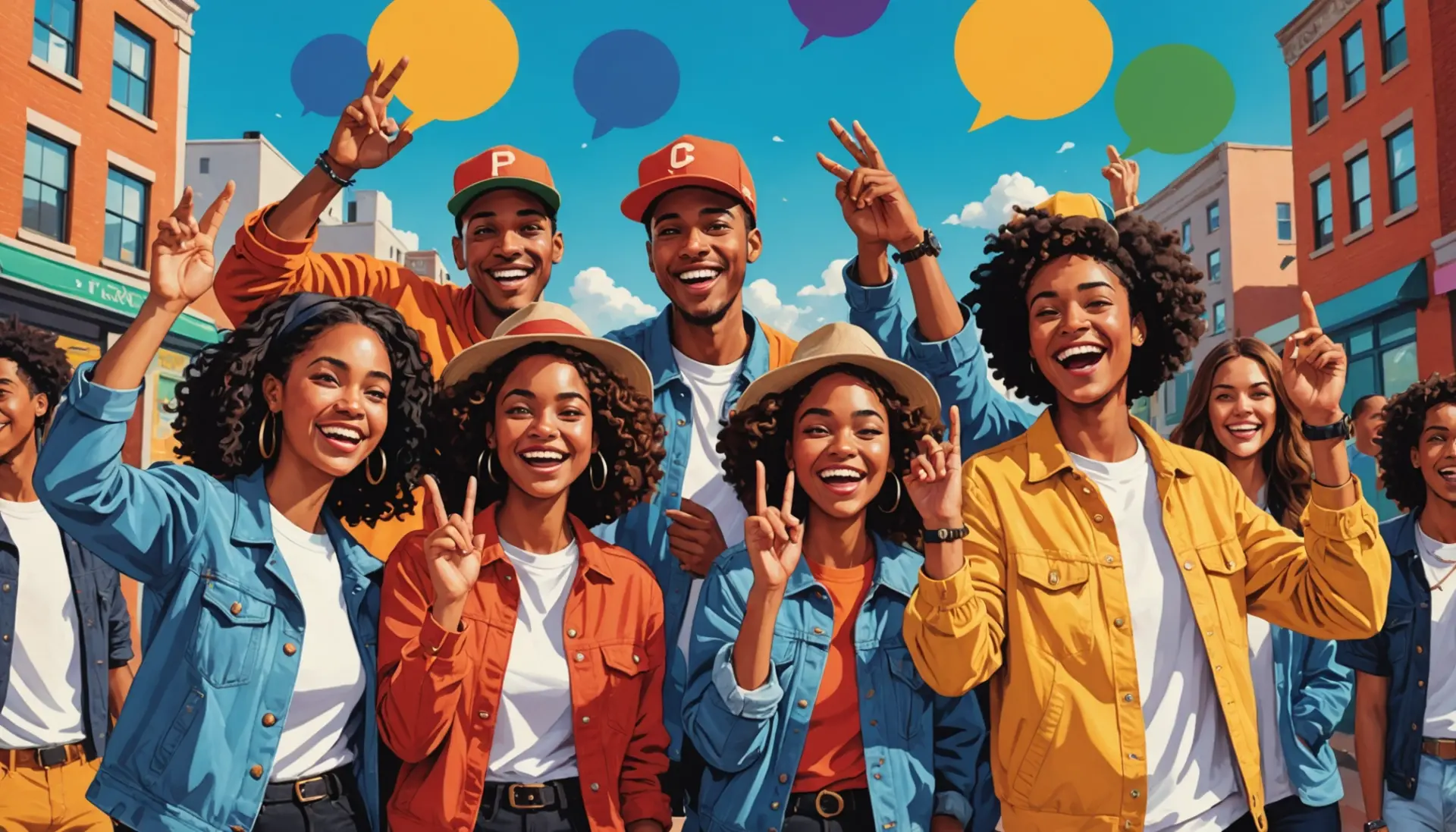

What Does No Cap Mean? A Friendly, Honest Start
what does no cap mean is the question people type into search bars when they want the short answer: it means “no lie” or “for real.” Okay so that is the blunt version, simple and useful. But like most slang, there is texture, history, and a few times where culture put the phrase on blast.
I want to give you the full lowdown: where it came from, how people actually use it in chats and captions, and why the phrase still matters when you scroll through TikTok or hear a rapper drop it in a verse. Also, yes, there are emoji stakes involved. Big energy.
Table of Contents
What Does No Cap Mean: Quick Definition
The clean answer to what does no cap mean is it signals honesty. People say “no cap” after a statement to mean, seriously, I am not lying. Think of it as verbal italics for truth.
In slang shorthand, “cap” equals a lie, and “no cap” equals truth. You can use it like, “That movie was the best I’ve seen this year, no cap.” Short, punchy, and very online.
What Does No Cap Mean: Origins and History
The story behind what does no cap mean winds through Black American speech, rap, and internet culture. “Cap” as a verb and noun predates the TikTok era and comes from African American Vernacular English, where it has meant to lie or exaggerate for a while.
Language historians and lexicographers have tracked this usage, and you can read a concise overview on Wikipedia’s Cap (slang) page. For dictionary-level context, Merriam-Webster has entries that discuss how “cap” entered mainstream recognition.
What Does No Cap Mean in Conversation
If you want to see what does no cap mean in real talk, here are realistic examples people send in DMs, group chats, or say out loud. These are the ways you will hear it in the wild.
Friend 1: “You finished your project in one night?”
Friend 2: “Yeah, no cap. Pulled an all-nighter and got it done.”Tweet: “This playlist cured my mood swings, no cap.”
Comment: “That highlight was insane, no cap 🧢”
Notice how “no cap” can come at the end like a mic drop, or the start, as in “no cap, that was wild.” Either way, it flags sincerity or emphasis.
What Does No Cap Mean: Cultural Moments, Songs, and Memes
Part of how what does no cap mean spread so fast was music and social platforms. Rappers and influencers used it in lyrics and interviews, and then TikTok put it on repeat. The phrase moved from neighborhood vernacular to captions and viral audio clips.
Sites like Know Your Meme track the memeification of “no cap,” including TikTok trends where creators pair dramatic reveals with the caption “no cap.” That cap emoji, the fashion hat emoji, became shorthand for calling something a lie.
If you scroll back a few years, you can see it in comment threads where sports highlights or flex posts get the callout “cap” or “no cap.” Athletes and celebrities sometimes use it too, which pushed it further into mass usage. It is a funny feedback loop: slang enters music, music enters feeds, feeds amplify slang.
Variants, Emojis, and Related Slang
People remix words. “No cap” sits next to related terms like “lying,” “capping,” and “big cap.” You will also see “no cappin” as a playful variant that stretches the vowel for emphasis. The hat emoji 🧢 often stands in for “cap.”
Want more slang context? See how this relates to other modern terms like rizz or ngl on SlangSphere. And if you want the root idea, check SlangSphere’s take on cap itself.
When to Say It and When Not To
Here is the practical part. Use “no cap” when you want to underline honesty in casual talk, like praising a friend or reinforcing a claim. It reads as informal, so it usually stays in texts and social media, not in a professional email.
NG respect matters. If someone shares something serious or vulnerable, adding “no cap” can sound flippant. Use context clues. And be aware of cultural origins. Using AAVE-derived slang is normal across communities, but listen and be respectful of tone and history.
Recap and Final Thoughts
So, what does no cap mean? It means “no lie,” a quick stamp of honesty used across social media, music, and day-to-day chat. It arrived from AAVE, moved through hip-hop and online trends, and now sits in captions and group chat receipts.
If you want the sounds and memes around it, check the Know Your Meme page for the viral clips, and Wikipedia and Merriam-Webster for recorded usage notes. Language changes fast, but “no cap” is a clear example of a small phrase that says a lot.