



Introduction
What does park the bus mean in soccer? The phrase shows up in match commentary, memes, and angry fan threads whenever a team refuses to attack and instead buries nine players behind the ball. Honestly, it is shouted like an insult and used like a strategy label at the same time. You hear it, you cringe, and sometimes you admire the tactical discipline.
Here I’ll explain the phrase, trace where it came from, give real examples of how people use it in conversation, and show the difference between smart defensive setups and the full-on “park the bus” approach. Short, spicy, and real talk.
Table of Contents
- What does park the bus mean in soccer? Quick definition
- What does park the bus mean in soccer? Origin and history
- How parking the bus actually looks on the pitch
- When teams park the bus: motives and moments
- Real-world examples and fan usage
- Is parking the bus cowardly or clever?
- Closing thoughts and slang crossover
What does park the bus mean in soccer? Quick definition
At its core, the phrase what does park the bus mean in soccer describes a defensive gameplan where a team sits extremely deep, fields most players behind the ball, and prioritizes preventing goals over creating them. Think of a bus so parked in front of the goal that there is no room to pass through. Simple imagery, brutal tactics.
It is not a formal tactical term coaches teach in training manuals. It is a blunt, media-friendly way fans and pundits describe ultra-defensive setups that clog space and frustrate the opposition.
What does park the bus mean in soccer? Origin and history
The phrase has been around in British football chatter for decades, but it exploded in mainstream use in the 2000s. The image is so vivid that commentators, columnists, and players used it frequently. Jose Mourinho, Diego Simeone, and managers famous for defensive discipline have all been associated with the concept in press narratives.
For a quick factual anchor, see the Wikipedia entry on the phrase for a basic timeline and examples of usage: Wikipedia: Park the bus. The phrase also made its way into pop culture and memes, which you can trace on sites like Know Your Meme where people catalog the jokes and viral moments.
How parking the bus actually looks on the pitch
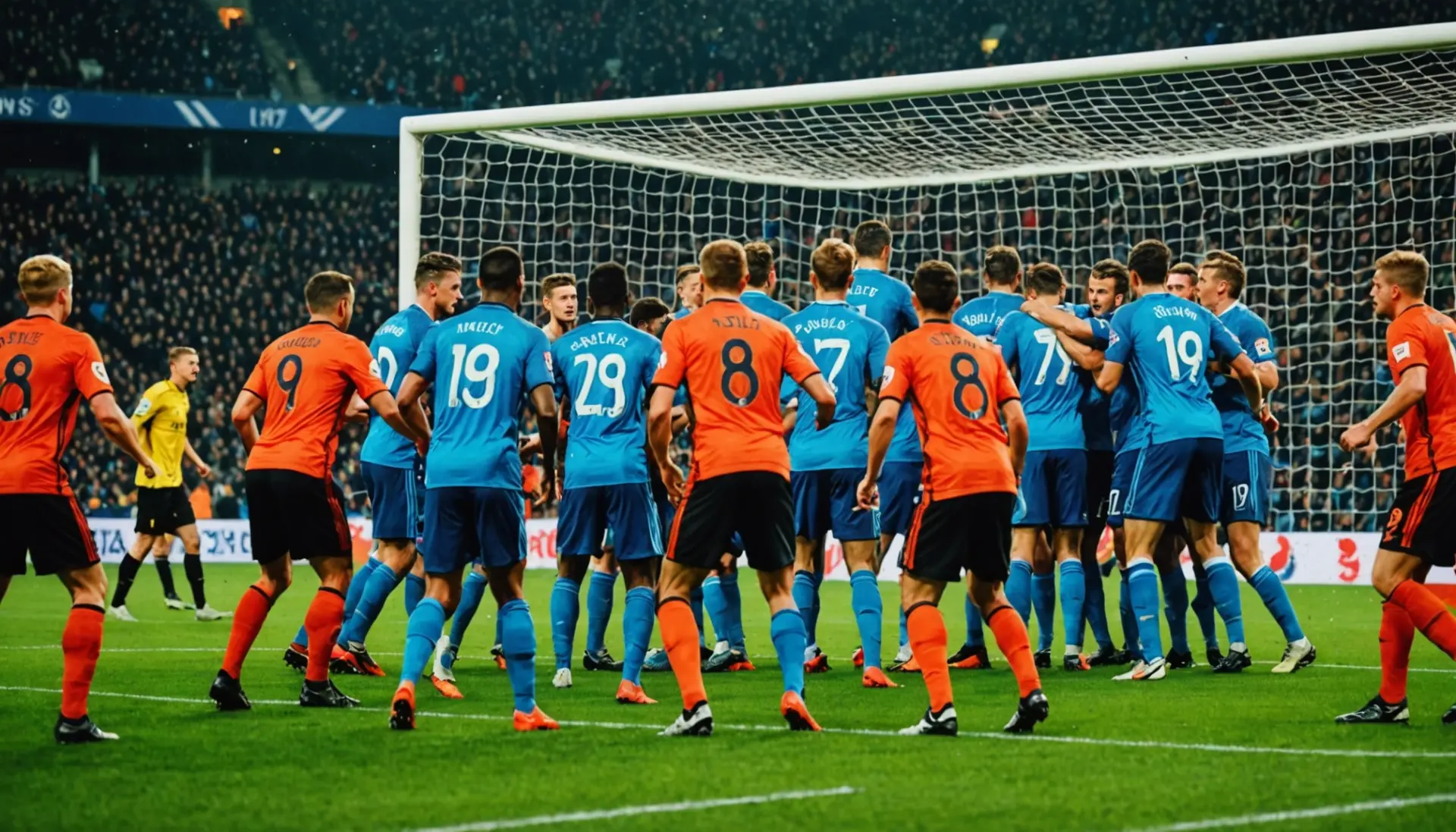
Picture a team defending with two banks of four or five men, very narrow lines, and a goalkeeper who feels like a third center-back. The spacing is compact, passing lanes are blocked, and counterattacks are the only hope for the attacking team. The priority is not possession, it is damage limitation.
Technically this can resemble organized systems like the Italian catenaccio, but “parking the bus” usually implies something more extreme and reactive. Catenaccio is a historical tactic with nuance, parking the bus is a modern insult for ultra-cautious setups.
When teams park the bus: motives and moments
Teams park the bus for several reasons. You’re an underdog playing a stronger team and your best chance is to steal a point. You’re protecting a narrow lead late in the game. Or your manager has a pragmatic, defense-first philosophy. Pressure, injuries, and tactical mismatch all push teams toward this choice.
Famous instances include defensive displays by Atletico Madrid under Diego Simeone and deep, organized stands by Inter Milan in the 2010 Champions League run under Jose Mourinho. Fans love to label those games as “park the bus” nights, even when the coaching nuance is greater than the insult implies.
Real-world examples and fan usage
People use what does park the bus mean in soccer in everyday chat to lampoon a team’s lack of ambition. Here are real-sounding examples you might see in a group chat or tweet.
Friend A: “Chelsea are so boring tonight.” Friend B: “They’ve literally parked the bus. No wings, no shots.”
Tweet: “Fernandez just parked the bus for 85 minutes. Respect the hustle, but come on offense.”
Text convo: “We need a goal, stop parking the bus and actually press.”
Those little exchanges show how the phrase doubles as critique and shorthand. It conveys tactical description and emotional reaction in one line, which is why it stuck.
Is parking the bus cowardly or clever?
Short answer, it depends. Parking the bus can be an insult when fans want attacking football and perceive the tactic as anti-entertainment. But from a results perspective, a team that stifles a better opponent and leaves with a draw executed a plan well.
Critics say it kills the spectacle. Supporters counter that football is about results. Many managers who are accused of “parking the bus” will point to statistics: blocked shots, interceptions, and expected goals against. Those metrics often show the approach worked.
Tactical nuance vs toxic fan label
We need to separate tactical nuance from the label. A compact backline and disciplined midfield are not automatically “parking the bus.” The term becomes pejorative when it suggests a refusal to try to score, or when the team retreats so far they surrender control of the game.
Journalists sometimes use the phrase to provoke. A headline that says “Team X parks the bus” gets clicks. Fans reply with outrage. The cycle keeps the phrase alive.
Famous moments that got called parking the bus
There are good examples to point at. Jose Mourinho’s Inter Milan beating Barcelona in 2010 and Atletico Madrid under Diego Simeone grinding out results in La Liga are repeatedly labeled with the phrase. Fans of the winning teams often reject the insult, while rivals use it as a badge of shame.
Even international tournaments have seen parking the bus nights. Underdogs in World Cups and Euros sometimes dig in, making matches feel like chess games where one conceded goal ends the plan. Those matches live on in highlight reels and snarky tweets.
How to use the phrase like you know what you’re saying
Want to sound informed and not just salty? Use the phrase precisely. If a team sits deep for the last 30 minutes with eleven men behind the ball, go ahead and say they parked the bus. If they are pressing high but failing to score, that is not parking the bus.
Example: “They parked the bus after the red card, but they had three half-chances on counters. Brave tactics given the circumstances.” That shows nuance, and people will respect it.
Closing thoughts and slang crossover
So, what does park the bus mean in soccer in short? It is shorthand for an ultra-defensive, risk-averse approach, used by fans and media to describe games that feel joyless or brilliantly pragmatic, depending on who you ask. The phrase has migrated into memes, hot takes, and even casual slang when people talk about any situation where someone blocks all options.
Curious about related football slang? Check out catenaccio slang meaning for historical context, or our take on parking the bus soccer to see more examples in modern matches. For a broader read on the phrase’s cultural spread, the BBC has pieces on defensive tactics in big games: BBC Sport.
Park the bus is a useful, colorful phrase. Use it sparingly, and know when it is an insult and when it is praise. Either way, it tells you something about priorities on the pitch: keep the ball out, or lose the spectacle.