



Intro
If you Googled what does red card mean in soccer world cup, you probably saw a bunch of posts, angry fans, and dramatic highlight reels. The phrase gets tossed around like confetti when someone is sent off, but the slang and the rule are not always the same thing. Honestly, people say it in match threads, in memes, and as a punchline. So let’s clear things up, ngl.
Table of Contents
What Does Red Card Mean in Soccer World Cup? Basics
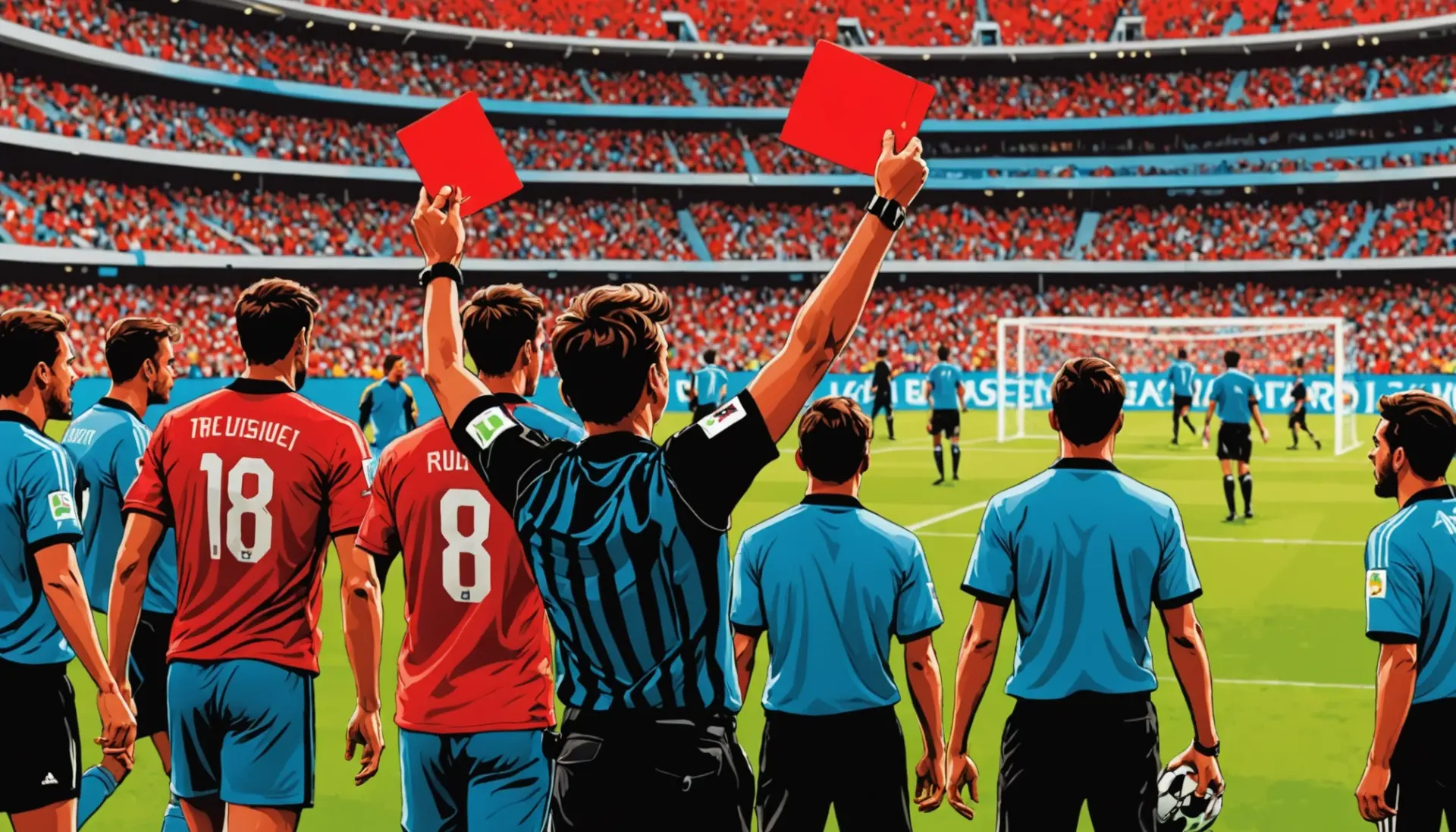
The simplest answer to what does red card mean in soccer world cup is this: a red card means a player is sent off and cannot return to the match. That player also leaves their team short-handed for the rest of the game, which can be brutal against elite sides at the World Cup level. The red card is one of football’s most dramatic punishments, and it changes the tactics in real time.
How It Works: Rules and Process
A red card is shown by the referee for serious misconduct, violent play, denying an obvious goal-scoring opportunity, or for receiving a second yellow card. The official Laws of the Game, maintained by the International Football Association Board, explain the technical criteria and sanctions: IFAB Laws of the Game. FIFA also outlines tournament-specific disciplinary procedures on their site: FIFA.
At the World Cup, a red card not only affects the immediate match, it can trigger additional suspensions depending on the severity. So that reckless elbow or stamp can cost you more than a single game. Fans and pundits love to replay the moment, and it gets splashed all over social and sports shows.
What Does Red Card Mean in Soccer World Cup? Famous Moments
There have been iconic World Cup red cards that live rent-free in people’s heads. Think Zinedine Zidane’s headbutt in 2006, a moment that produced instant memes and a lifetime of analysis. Or look at the 2006 match reports on Wikipedia for a blow-by-blow of that infamous send-off: Zidane headbutt.
These moments shape how casual fans interpret what does red card mean in soccer world cup, often reducing complex rules to a single GIF. If a player’s red card changes a knockout-stage tie, it becomes part of World Cup lore. People quote pundits, replay the slow-motion, and someone inevitably starts a TikTok trend with the clip.
Fan Slang and Social Use
On match threads you’ll see people type “red card” like it’s slang for an unforgivable sin, not just a rule. Example chat lines: “Ref missed the dive but gave the red, rigged.” or “Bro deserved the red, that studs-up tackle was wild.” Those are real ways fans use the term in everyday conversation.
Twitter and Reddit play a big role in shaping the phrase. A typical tweet might read: “That tackle = instant red card, no debate.” On Reddit a match thread comment could say: “Takes one reckless challenge and we’re down to ten, classic World Cup chaos.” These usages show how the term carries emotional weight beyond its technical definition.
If you’re into slang crossovers, check out pieces on other fan terms on SlangSphere, like rizz and delulu, which explain how communities turn simple words into culture signals. That kind of analysis helps explain why people mass-share red card clips so fast: they’re short, dramatic, and serve as a shared reference point.
Discipline, Appeals, and Tournament Impact
A red card triggers automatic suspension for at least one match, but tournament disciplinary committees can extend bans for violent conduct. In World Cup play, losing a key player for a quarterfinal because of a bad red can rewrite a team’s entire strategy. Teams appeal to FIFA in some cases, but reversals are rare unless there’s clear evidence of referee error.
Clubs and national teams sometimes argue video evidence should overturn wrong calls, and VAR has made that debate louder. VAR hasn’t removed controversy, it’s just given fans more to tweet about. The practical effect is the same: a red card alters rosters and sometimes careers.
How Fans React: Memes, Songs, and Culture
When a red card lands in a big World Cup match, memes flood every platform. DJs will sample the referee whistle, influencers will remix the moment into a trend, and late-night hosts will make jokes. It becomes shorthand for a sudden, often irreversible mistake—kind of like when someone publicly messes up on a reality show.
Music and memes help encode the meaning. After a notorious red, expect clips, reaction videos, and the inevitable “send him home” montage. Fans use the term both literally and sarcastically, which is why understanding the rule and the slang matters.
Conclusion
So, to circle back: what does red card mean in soccer world cup? It means a player has been sent off and the team is down a player, often with further suspension consequences. The term carries both strict disciplinary meaning and a broader cultural punch because of high-stakes World Cup moments.
Next time you see someone typing “red card” in a match thread, you’ll know they’re not just talking rules, they are reacting to drama, history, and the possibility of scandal. If you want a deeper dive into football terms or sports slang, keep roaming SlangSphere for context and the hottest takes.
Example conversational uses:
- “Did you see that studs-up? Red card, no question.”
- “Ref robbed us, should’ve been a red card for the striker.”
- “Classic World Cup moment: one red card and tactics change instantly.”
Further reading: the Laws of the Game at IFAB explain the rule in technical detail, and Wikipedia has match-by-match histories of famous World Cup send-offs. For official tournament rulings visit FIFA’s discipline pages linked above.