



Intro
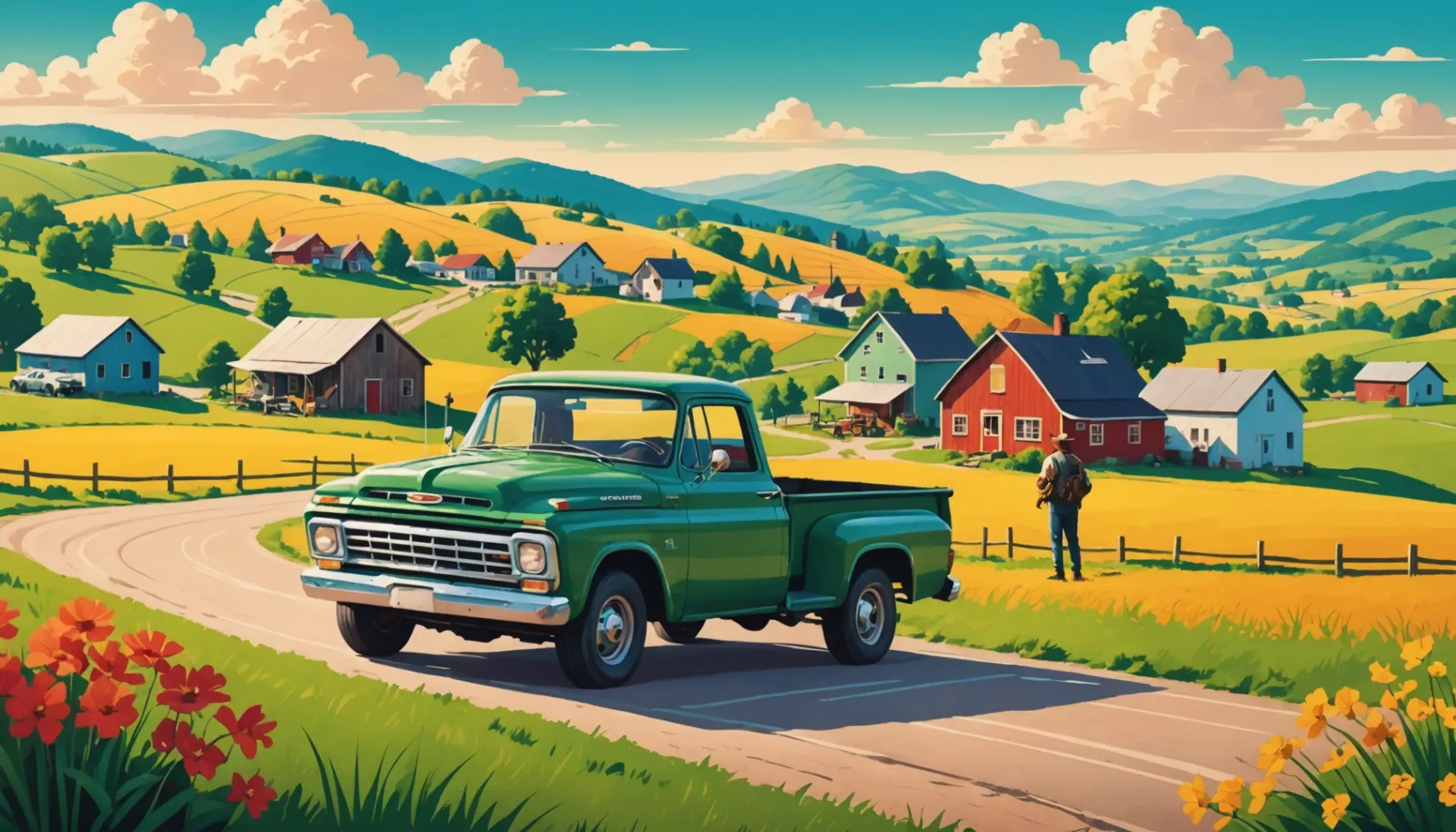
what does rural mean? At the simplest level, it points to life, places, and vibes outside cities, the countryside and smaller towns rather than big urban centers. But the way people talk about rural, the stereotypes, and the cultural meanings have shifted, especially online. This post teases apart the literal definition, the slang uses, and why the word lands differently depending on who is saying it.
Table of Contents
What Does Rural Mean: Definition and Origins
The phrase what does rural mean shows up when people are trying to separate metropolitan life from small-town or countryside realities. Historically, “rural” comes from Latin roots referring to the countryside and farms, and most dictionaries treat it as the opposite of urban. For a standard reference take a look at Wikipedia: Rural area or the plain dictionary definition at Merriam-Webster.
Official definitions vary depending on the agency defining the term. The US government, for example, has specific classifications for “rural” that affect funding, services, and policy, which you can read about at the USDA Rural Classifications. So when someone asks what does rural mean in a policy conversation, they might be asking for those technical thresholds rather than a vibe check.
What Does Rural Mean in Slang and Culture
So what does rural mean when people use it casually, like on TikTok, Twitter, or in a group chat? It depends. Sometimes it is literal: you grew up outside the city, you work in agriculture, or you live in a town of a few thousand. Other times it is shorthand for a cluster of ideas: slower pace, neighborly weirdness, pickup trucks, or even lack of high-speed internet.
There is a slangy edge to it too. People will call an idea, fashion choice, or attitude “rural” to suggest it is old-fashioned or country-specific, often with a teasing or dismissive tone. Example: “Bro, that haircut is so rural,” meaning the style reads as small-town, maybe out of step with whatever the speaker considers modern.
Real Examples of People Saying “rural”
Below are real-style examples you might see in conversation. These are written to reflect authentic speech patterns you actually encounter online and in person.
“Moved from the city to a rural town and ngl the stars are worth the sacrifice of decent coffee.”
“Why does every family reunion turn into a rural BBQ competition? My aunt takes it way too seriously.”
“That meme is so rural — like someone filmed it on a camcorder in 2003 and called it content.”
On TikTok you’ll also find the “rural aesthetic” alongside cottagecore and farmhousecore, where people celebrate country life, but often with a curated, nostalgic lens. Creators tag videos with #ruraltok, and the content ranges from foraging tips to small-town prank compilations. These are contemporary, culturally real examples of how the word is used as identity and brand, not just geography.
Why “rural” Still Matters
People ask what does rural mean because the term carries consequences. Access to healthcare, broadband, education, and economic opportunity often hinges on whether a place is classified as rural. That is not slang — that is policy. So the word maps onto very concrete experiences for millions of people.
At the same time, cultural perception shapes everything from music to politics. Country artists like Dolly Parton or Luke Combs wear rural identity proudly, while other media representations have historically leaned on stereotypes of backwardness. That tension is why the question what does rural mean still sparks debate and pushback.
Quick Guide for Using “rural” Without Being Tone-Deaf
If you are wondering how to use the word without coming off as dismissive, here are a few soft rules. First, use the literal meaning when clarity matters: say “rural town” to indicate population size or location. Second, avoid using rural as a lazy insult. People live meaningful, complicated lives outside cities — and so they deserve language that reflects that reality.
Third, listen. If someone self-identifies as rural, let them explain what that means for them. For some it is a proud identity, for others it is an economic descriptor, and for others it is a complicated mix of nostalgia and real hardship. Context matters way more than flexing vocabulary.
Extra Reading and Links
If you want to read on, check the authoritative definitions referenced earlier. The Wikipedia entry on rural areas covers global perspectives, and the Merriam-Webster definition gives a quick lexical snapshot. For policy-level detail see the USDA Rural Classifications.
Also, if you liked this explainer you might enjoy related entries on SlangSphere, like cottagecore and country vibes, which explore overlapping online trends and aesthetics. Want contrast? See urban meaning for the other side of the city vs countryside conversation.
Final Thoughts
So again, when someone types what does rural mean they could be asking something simple or something loaded. Literal definitions are clear enough, but slang and cultural use makes the word elastic. It can be identity, shade, nostalgia, or policy jargon all at once.
Language changes, and people will keep using rural in ways that reflect new divides and new connections. If you want to sound smart about it, know the official definitions, listen to how people use it in context, and avoid weaponizing the word as a shorthand for inferior. Conversation is better than assumption. Also, the stars are really nice out there. Try them sometime.