



Introduction
The phrase “what does st patrick’s day mean” is the question people ask every March when green floods the feed and everyone suddenly claims Irish ancestry. For some it’s a religious holiday, for others it’s an excuse to wear ridiculous shamrock hats and drink green beer. Honestly, it’s a bit of everything. Here I’ll explain where the day came from, why people pinch you if you forget green, and how the holiday mutated into the party meme we know now.
Table of Contents
what does st patrick’s day mean: Origins
At its core, “what does st patrick’s day mean” points to a remembrance of Saint Patrick, a 5th-century missionary who helped convert Ireland to Christianity. He was originally from Roman Britain, taken to Ireland as a slave, escaped, then returned as a missionary. The historical facts are a mix of real biography and later legend, which is why the holiday wears both church robes and party hats.
Historians argue about which stories are true, but reputable summaries are easy to find on Wikipedia and History.com. If you like a short academic take, check Britannica for the concise version.
The Saint, the Legend, and the Shamrock
Part of asking “what does st patrick’s day mean” is asking why shamrocks and leprechauns show up in parades. The shamrock legend says Patrick used the three-leaf clover to explain the Trinity: Father, Son, Holy Spirit. Cute visual metaphor, easy to tattoo.
Then there are the leprechauns, pots of gold, and all that folklore, which are largely later cultural inventions and tourist packaging. They come from Irish mythology and got mixed into the holiday through Victorian-era storytelling and commercialized imagery. That mashup is why the day is both solemn and silly.
what does st patrick’s day mean: Modern Celebrations
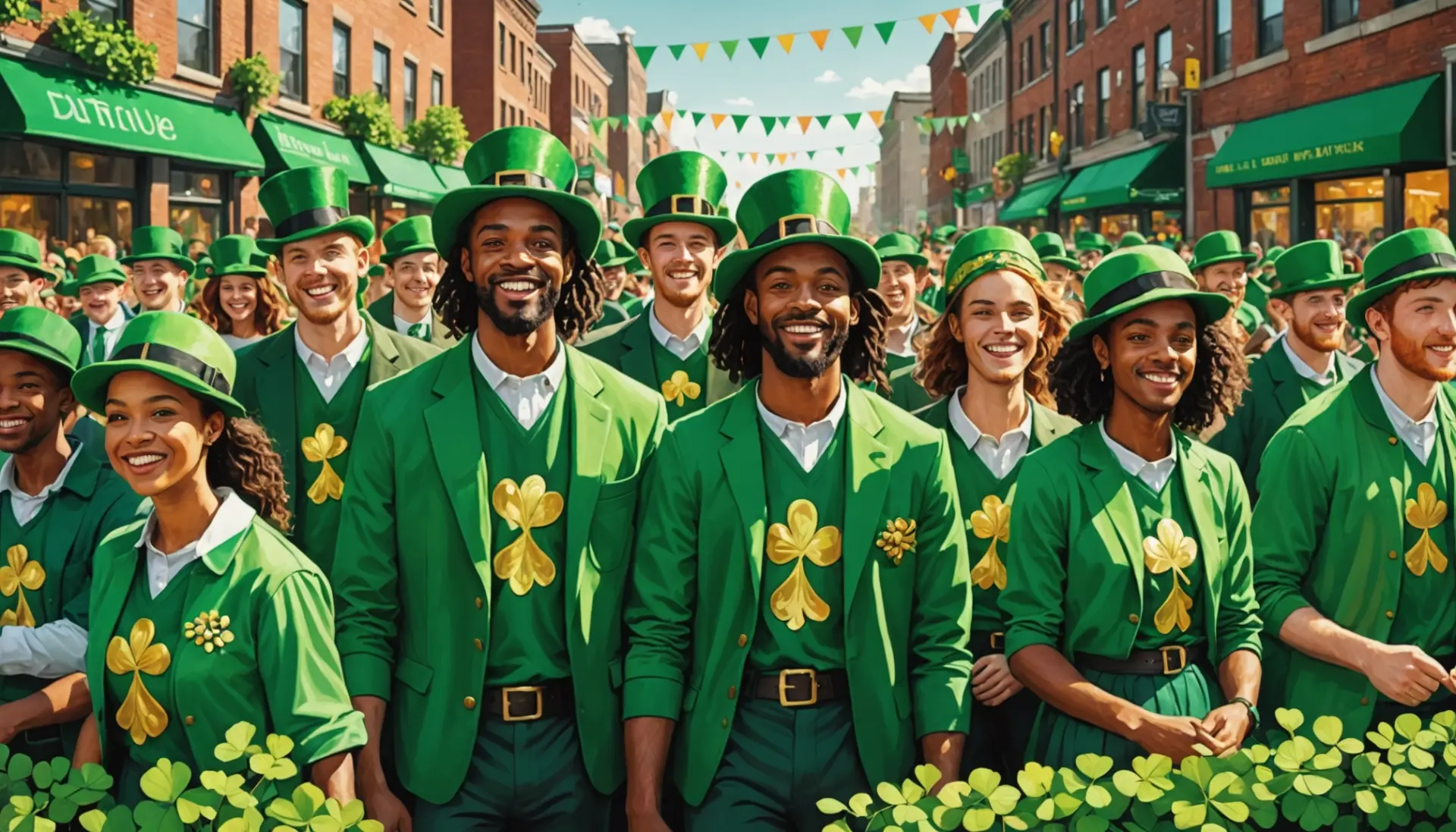
When someone asks “what does st patrick’s day mean” today, they might mean the modern rituals: parades, wearing green, dyeing rivers, or shouting about luck. Chicago famously dyes its river green, which is an iconic modern stunt that turned into a meme-worthy tradition. New York and Dublin have massive parades, and lots of towns have smaller, locally flavored versions.
Then there’s the college and bar culture version: green beer, themed cocktails, matching shirts that say “Kiss Me I’m Irish.” TikTok fills with people doing St. Patrick’s Day makeup and quick recipes for shamrock-shaped everything. It’s a holiday that pretty much invites content creation and spectacle.
Controversy and Cultural Respect
Not everyone loves the party side. Some people ask “what does st patrick’s day mean” because they’re wary of cultural stereotyping. Dressing as a caricature of Irish culture, or celebrating with disrespectful tropes, makes the holiday uncomfortable for those who actually connect it to faith or heritage.
There are also debates about commercialization. Is it okay to turn a saint’s feast day into a marketing bonanza? Some communities lean into the heritage and history, offering educational events and solemn masses. Others want the parade, the music, and the loud, joyful chaos. Both things can coexist, if people are mindful.
Real-Life Usage Examples
People use “what does st patrick’s day mean” in casual chat all the time. Here are realistic examples you might see in DMs, group texts, or replies on Instagram.
Text thread: “Bro what does st patrick’s day mean? My roommate keeps saying ‘wear green’ and I have no green.”
TikTok comment: “What does st patrick’s day mean? Is it just an excuse to drink? Asking for a friend lol.”
Conversation: “Okay so what does st patrick’s day mean for Catholics? Is there a mass?” “Yeah, it’s a feast day for Saint Patrick, but a lot of people also go to parades.”
These examples show how the phrase functions as a quick cultural question, covering everything from faith to fashion and party logistics. People often follow it up with questions about food, music, or how to celebrate respectfully.
Customs, Food, and the Playlist
Asking “what does st patrick’s day mean” also opens the door to food and music. Colcannon and soda bread are the classic Irish dishes, while many people associate the day with corned beef and cabbage, which is more of an Irish-American tradition. For music, you’re listening to Irish folk, tin whistle, and maybe an annoying EDM remix of “Danny Boy.”
If you want to celebrate right, pick an Irish band playing in a pub, find a local parade, or just cook a proper Irish stew. Resist the impulse to only reach for neon-green frosting and disposable shamrock cups.
How to Explain to Kids in One Sentence
Try this: “St. Patrick’s Day is a day when people remember Saint Patrick and also celebrate Irish culture with parades and green clothes.” Short, clear, no confusion, no beer involved. Kids get shamrocks. Parents get snacks. Everyone wins.
Further Reading and Links
If you want the deep history, start with Wikipedia and then read the History.com piece for modern traditions. For scholarly context, the Encyclopaedia Britannica entries are solid.
Also, for some slang-adjacent reads on holidays and how they trend, check these internal SlangSphere pages: Rizz Meaning and Luck of the Irish Meaning. They won’t teach you corned beef recipes, but they’ll help you parse cultural talk.
Final Thoughts
So when someone types “what does st patrick’s day mean” they could be asking about history, religion, culture, or the logistics of parades and pubs. It is both a saint’s feast and a global pop-culture holiday. The mix of reverence and revelry is what makes it interesting, if sometimes messy.
Wear green if you want. Learn a line or two of an Irish ballad if you have time. And if you see the Chicago River glowing emerald on your feed, now you know why people think green equals celebration. Happy Saint Patrick’s Day, in whatever way you mean it.