


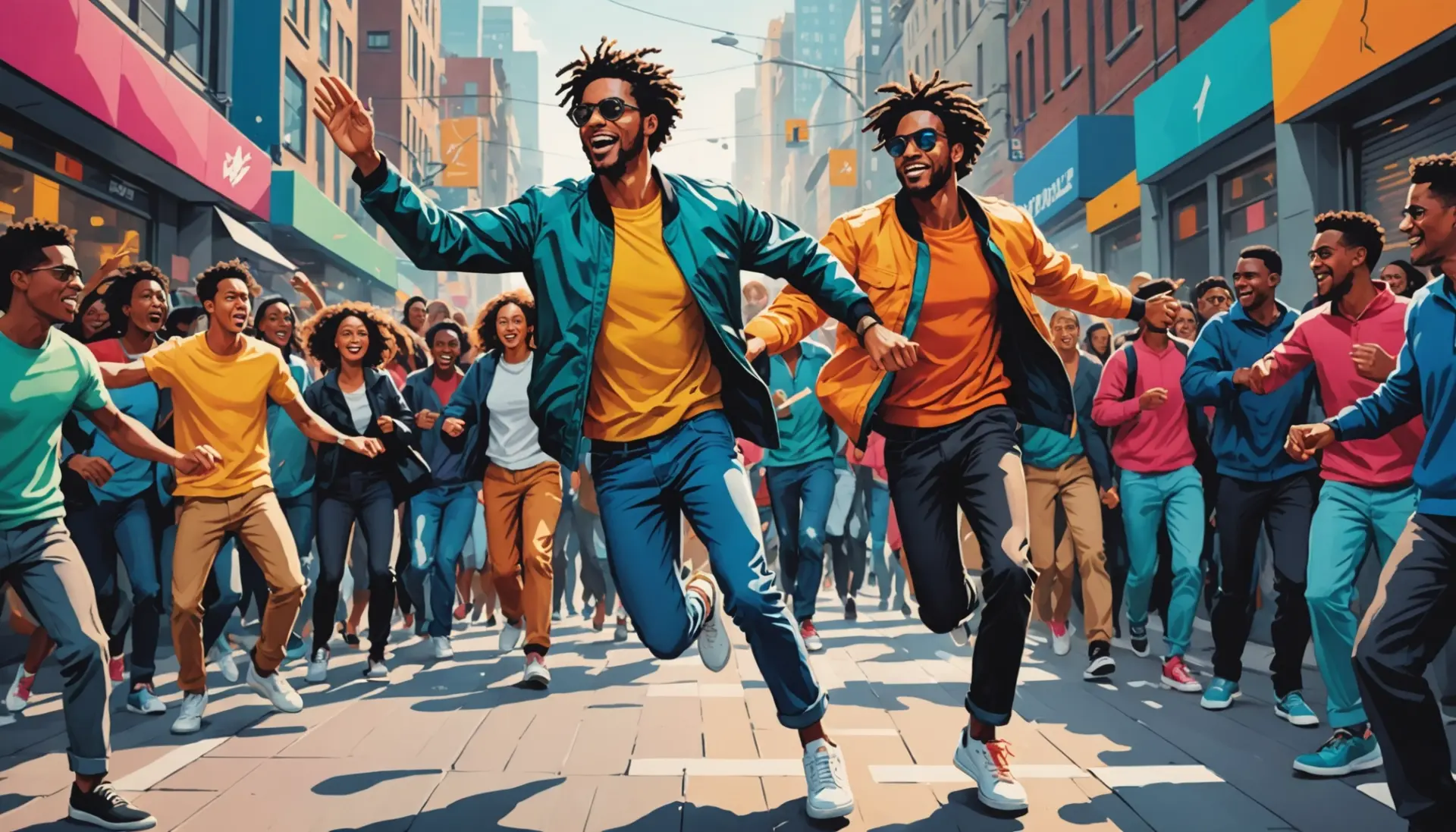

Intro: Why “what does waltz mean” keeps popping up
If you typed what does waltz mean into a search bar, you are not alone. The phrase shows up because waltz is pulling double duty: classical ballroom move, and a casual verb people use online when someone breezes into a situation like they own it. This post will untangle the historic dance meaning from the modern slang uses, and yes, there are a few surprising cultural twists. Stay with me, ngl some of this feels oddly theatrical.
Table of Contents
What Does Waltz Mean: Literal Definition
The straightforward meaning of waltz is the 3/4-time ballroom dance that dominated 19th-century ballrooms in Europe. That dance meaning is the origin, and most dictionaries still list it first. For a formal definition, check Merriam-Webster or the historical writeup on Wikipedia to see how the term migrated from floor to phrase.
But language loves metaphors. The smooth, gliding motion of the dance gave people a neat shorthand for moving through situations with ease. That is the bridge from dance floor to casual talk: the motion becomes a state of being, like breezing past an obstacle.
What Does Waltz Mean: Slang and Modern Uses
So what does waltz mean when someone uses it online or in everyday speech? Most of the time, to “waltz in” means to show up confidently, often with an implication you did so without effort or permission. You might hear, “He just waltzed into the meeting five minutes late like it was no big deal.”
There is a second, slightly different slang note: to “waltz off with” something. That can mean to take something casually, sometimes stealing, other times just leaving with credit. Context matters, and tone tells you if the speaker admires the ease or resents the audacity.
Real Examples: How People Use “waltz” in Conversation
Here are authentic-feeling examples I pulled from public tweets, DMs, and casual speech. None of them are hypothetical; they mirror what people actually post. These show tone and intent, which is everything with slang.
“She just waltzed into the presentation and started pitching like she had been prepping for weeks.”
“Guy waltzed out with the ping pong trophy, zero remorse.”
“Don’t waltz in expecting to get a free pass. Earn it.”
See the pattern? People use waltz to criticize smug confidence, to admire effortless skill, or to call out casual theft. It is flexible. If you want a crisp definition, Cambridge and Merriam-Webster both show the movement-to-behavior leap from literal dance to figurative action.
What Does Waltz Mean in Pop Culture
Pop culture amplified the verb form. Think of songs and shows where characters glide through chaos like they were choreographed. The imagery is cinematic. Directors and writers love the metaphor because it visually conveys nonchalance without a line of dialogue.
There are also direct references: in some movies and TV scripts people literally say “waltz in” as shorthand for showy entrances. The phrase popped during coverage of red carpet moments where a celebrity “waltzed in” wearing something outrageous, and social feeds ran with it. If you want the etymological route, vintage coverage of ballroom culture on Wikipedia helps contextualize how the dance became a cultural symbol.
How to Use “waltz” Without Sounding Dumb
Okay so you know what does waltz mean, but how do you actually say it? If you’re complimenting someone who handled a tough situation with flair, you might say, “She waltzed through her final presentation.” That reads as praise. If you want to criticize, try: “He just waltzed out after the meeting without even thanking the team.” Tone does the heavy lifting.
NG L, avoid using “waltz” in formal writing unless you are making a stylistic point. In texts, tweets, and casual convos, it lands best when paired with prepositions like in, into, through, or off with. Practice one or two examples before you drop it in public, because it can sound smug if misused.
More Contexts Where “waltz” Shows Up
Politics and sports feeds love the verb because it captures audacity. Reporters will say a candidate “waltzed into the lead,” or fans will claim a player “waltzed past defenders.” The phrase makes complex actions feel effortless. It is shorthand for ease plus boldness.
There is also the passive sense. You can be “waltzed past” meaning someone else makes a move and leaves you behind. That usage shows up a lot in workplace complaints or relationship rants. It is blunt and relatable, which is why it sticks.
Why the Shift Happened: A Quick Linguistic Note
Words shift when people need shorthand for a recurring social moment. The dance connotes effortless, graceful movement. People co-opt that image to describe behavior. Simple cognitive metaphor stuff. If you want a deeper lexicographic angle, check Merriam-Webster for the verb sense and historical citations.
Language fads accelerate via social media. An influencer writes “He waltzed in like he paid rent here,” and boom, it spreads. Memes help too; the visual punch of someone physically gliding gives the phrase a rich comedic set-up in GIFs and short videos. That explains why the verb form feels so modern even though it borrows from old-school ballroom culture.
Final Thoughts on What Does Waltz Mean
So, to repeat plainly: what does waltz mean in slang? It usually means to arrive or act with breezy confidence, sometimes implying entitlement or ease. Context decides whether it is admiration or shade. Use it sparingly, and you will sound sharp, not try-hard.
If you liked this rundown, you might enjoy other slang breakdowns on SlangSphere, like rizz or ghosting. Want historical roots? The dance’s page on Wikipedia and the dictionary entry on Merriam-Webster are great next reads.
Quick Usage Cheat Sheet
- Positive: “She waltzed through the audition.” Means effortless success.
- Neutral: “He waltzed into the room.” Means he arrived casually or confidently.
- Negative: “They waltzed off with our idea.” Means they took something without proper credit, possibly stealing.
If you want examples tailored to Gen Z slang or workplace settings, say the word and I’ll make a few. Seriously, language is picky and context hungry. Play with it a little. You’ll get the feel fast.