


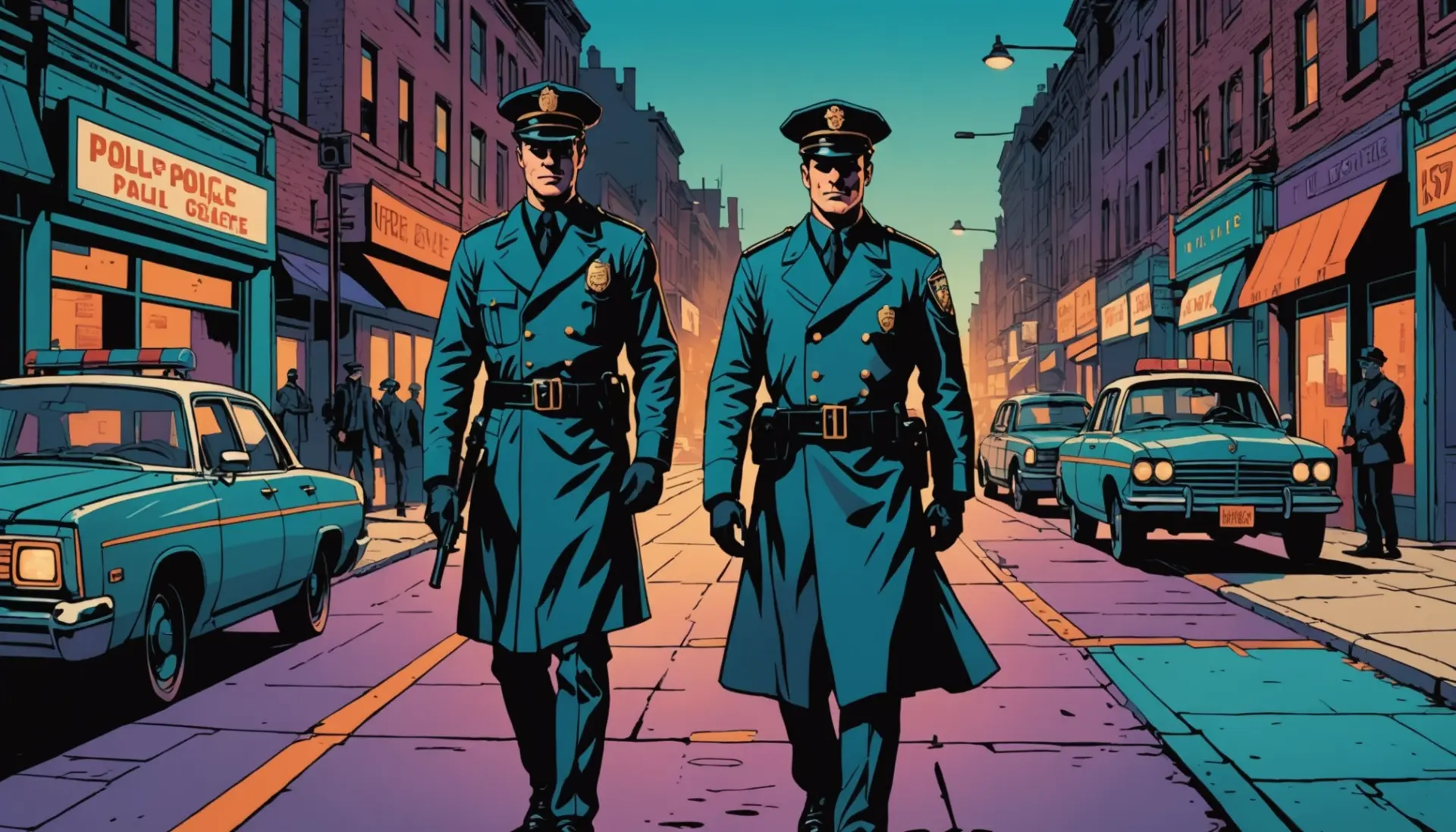

What Is Copper Slang For: Quick Definition
what is copper slang for is the question people type into search bars when they hear someone shout about the coppers on the corner. The short answer, honestly: copper is old-school slang for a police officer. Plain and simple.
That usage shows up in novels, noir movies, and period TV shows, and you still hear it in cockney-inflected British English sometimes. It is not as common as “cop” anymore, but it carries a vintage, sometimes gritty vibe.
Table of Contents
What Is Copper Slang For: History and Origins
So where did this all come from? Historians and lexicographers have tossed around a few theories. One idea links copper to the copper badges and buttons that early police wore, which made them visually identifiable. Another idea ties it to the verb “to cop,” meaning to seize or capture, so a copper might be “the one who cops criminals.”
Both theories have traction, and language rarely offers a single neat origin. The word crops up in 19th century print and became widespread enough that dictionaries like Merriam-Webster list “copper” as informal for a police officer.
Regional Uses and Variations
How people say it depends on where you are. In the UK, “copper” and “bobby” feel tied to working-class speech and older generations. You might hear, “The copper took his details,” in northern English towns. In the US, “copper” is rarer now; “cop” dominates, but you can still find it in period dramas or stylized crime fiction.
Pop culture keeps certain phrases alive. The TV series “Copper” from 2012, set in 1860s New York, deliberately uses the term so the dialogue feels period-correct. Meanwhile, reality shows like Cops normalized “cop,” and that stuck in modern slang more than “copper.”
Other Meanings of Copper in Slang
A quick heads up, copper is not one-trick slang. Sometimes it shows up as a verb in dialects, like “to copper” meaning to pilfer, but that is rare. You also see “copper” in metaphorical uses, for example “copper-bottomed” meaning solid or reliable, but that is not slang for police.
Context is everything. If someone says, “He copped a plea,” they are using “cop” as a verb. If someone says “the copper,” they are pointing at a person in uniform. Different forms, different grammar, different nuance.
How to Use “Copper” Correctly Without Sounding Weird
If you want to use copper in speech, aim for occasions where a slightly old-school or ironic tone fits. In a reenactment, a punk song lyric, or a gritty novel, it hits. In a modern corporate email, it will sound off.
Try this: “Careful, coppers ahead,” when joking with friends after spotting uniforms at a festival. It communicates the idea while keeping the ironic, almost cinematic flavor. Use it sparingly. People will likely get you, but they might chuckle.
Real Conversation Examples
Here are natural examples you can drop into a text or say out loud without sounding like a dictionary entry. Notice the tone changes with context.
Friend 1: “Why did you park there?”
Friend 2: “I know, I know, but there were no coppers around.”
Bar chat: “Some bloke just got nicked by a copper outside the tube.”
Group chat meme: “When the playlist goes back to ’80s cop rock, the coppers are gonna come for us.”
These examples mix modern talk with the classic word. See how it can feel playful, narrative, or slightly gritty depending on the scene.
Further Reading and Sources
If you want to nerd out on etymology, check these out. They are solid places to start and explain the historical record better than I can in a coffee chat.
Cop (slang) on Wikipedia gives a nice overview of forms like cop and copper, plus cultural notes. Merriam-Webster has a clean definition and usage history. Both are useful if you want to quote a source in a paper or impress someone at brunch.
Also, if you liked this kind of etymology, check related entries on SlangSphere such as rizz and bogart. They go into modern slang mechanics and how words travel between niche groups and mainstream culture.
Closing Notes
To circle back: if you’ve been Googling what is copper slang for, the takeaway is simple. “Copper” usually means a police officer, with an old-school, sometimes British flavor. It peeks into crime fiction and period speech much more than it does into everyday American chatter now.
Use it if you want texture, period flavor, or a wink of irony. Don’t overuse it in serious formal contexts. And if you love this kind of language history, stay curious. Words like copper have stories, and those stories are small cultural time machines.