


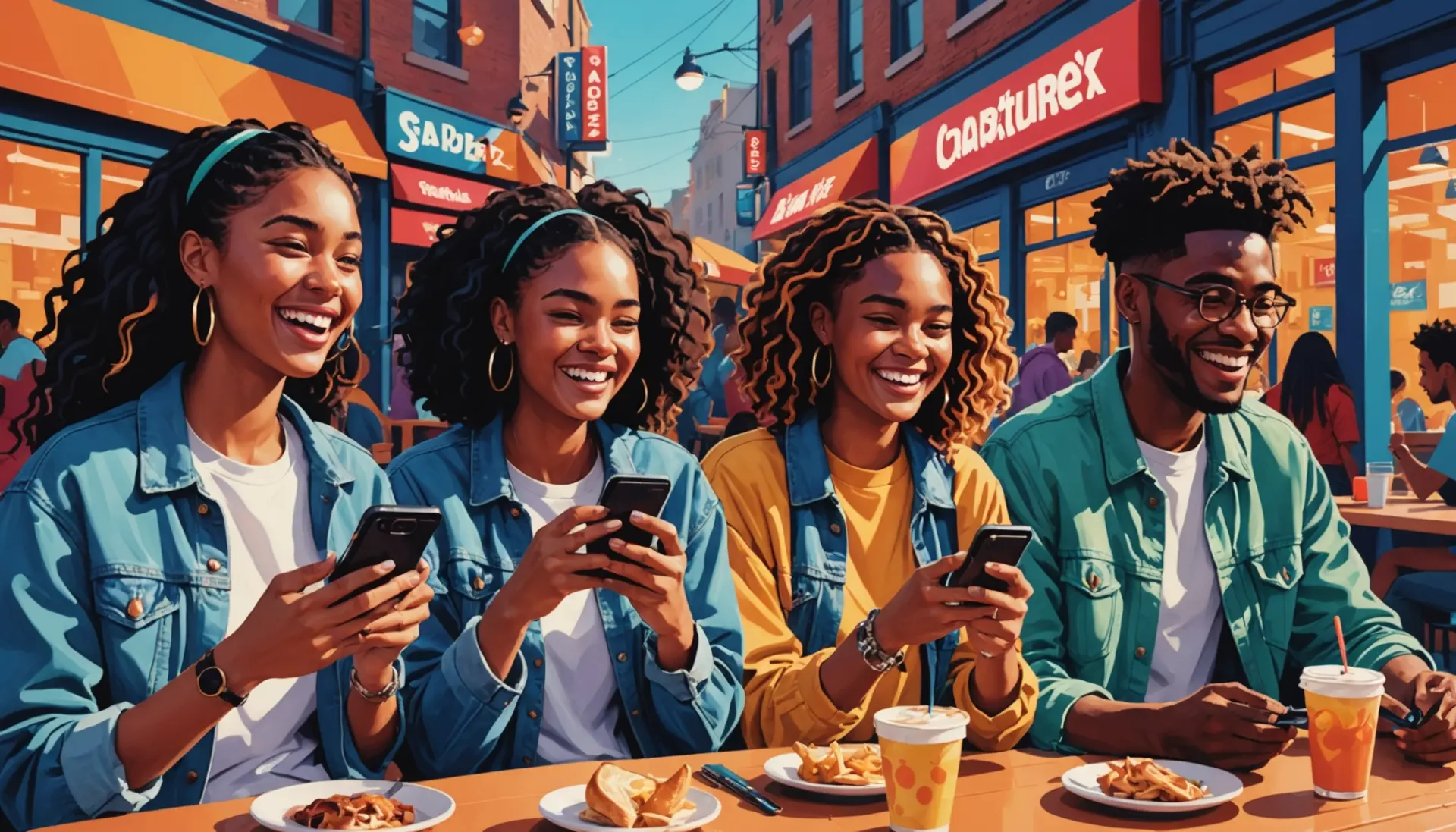

Youngins Slang: Quick Take
youngins slang is basically the casual, folksy label people use when they want to call out younger people without sounding formal.
Think of it like saying “young ones,” but looser, more conversational, and with a southern or internet-adjacent flavor. People say it when joking about trends, music taste, or tech habits: “Them youngins love that TikTok sound.”
Table of Contents
What Does Youngins Slang Mean?
The phrase youngins slang means a colloquial way to refer to young people, usually kids or teenagers, often with a wink or mild judgment.
It is not usually hostile. More like playful, or slightly exasperated. You hear it from parents, older cousins, or people on Twitter saying, “Them youngins don’t get vinyl.”
Where Youngins Slang Comes From
The origin of youngins slang traces back to dialectal pronunciations of “young ones” like “young’uns” or “younguns,” common in Southern U.S. and rural speech. Linguists would call this a variant formed by dropping a syllable and smoothing the sound.
Dictionary sites record related words like “young’un” and “youngun.” For a quick reference, check Merriam-Webster on youngun, and if you want sociological background see Wikipedia on youth. The internet helped spread the shorter, chat-friendly “youngins.”
How to Use Youngins Slang in Conversation
You can drop youngins slang into casual talk the same way you’d use “kids” or “young folks.” Use it when teasing: “Man, those youngins streaming everything, they don’t even buy CDs.” It reads as informal and a little nostalgic.
It also shows up online as a generational clapback. Somebody posts a throwback track and someone replies, “Them youngins don’t even know the Snickers ad song.” It’s friendly ribbing more than an insult, unless the tone gets mean.
Examples and Real Conversations
Here are actual-feeling lines you might see on social platforms, in texts, or at family dinners. They show how youngins slang moves around.
Text from cousin: “If you tell the youngins about MySpace, they’ll think it’s an exhibit.”
Reply on TikTok: “Bro, them youngins on here are wild, they trend every single weird sound.”
Notice the rhythm: subject first, then the folksy “youngins,” then whatever generational complaint follows. It’s flexible: sometimes affectionate, sometimes exasperated.
Why Youngins Slang Sticks Around
Language that signals social distance but keeps it light tends to survive. Youngins slang does that by tagging age without heavy judgment. It’s useful in comedy, tweets, and casual storytelling.
Memes and music help too. When someone on Twitter says “them youngins,” the phrase can become shorthand for a whole complaint about trends or tastes. You can spot it beside other gen-calling phrases like “OK boomer,” which actually has its own Know Your Meme page now.
How It Shows Up in Pop Culture
Youngins slang isn’t usually the headline of a song title, but it peppers dialogue in country tracks, stand-up bits, and social media captions. Think of it like a seasoning rather than the main course.
Comedians and influencers use it for relatability. A viral clip might show a parent saying “Them youngins and their apps,” then cut to a montage of silly youth trends. That edit style is pure TikTok energy.
Nuance and When to Avoid Saying It
Use youngins slang when you want to be informal and slightly teasing. Avoid it in professional situations or when talking directly to someone you might offend. If the person is sensitive about age or identity, stick to “young people” or “youth.”
Also be careful about tone. Online, sarcasm can read as ageism. If your tweet says “youngins are ruining music,” people will push back. Tone matters more than the word itself.
Final Thoughts
So yeah, youngins slang is a little homey, a little playful, and very adaptable. It’s part of the toolkit for folks who want to point out generational differences without writing a think piece.
Use it with a smile and a bit of context. And if you want to compare it to other modern slang, we break down terms like rizz and sus over on SlangSphere, which helps if you are trying to sound current and not just nostalgic.
Further Reading
For more on regional speech patterns, try the Merriam-Webster entry above and general resources on youth culture on Wikipedia. If you are curious how generational memes spread, the OK Boomer thread on Know Your Meme is a useful case study.